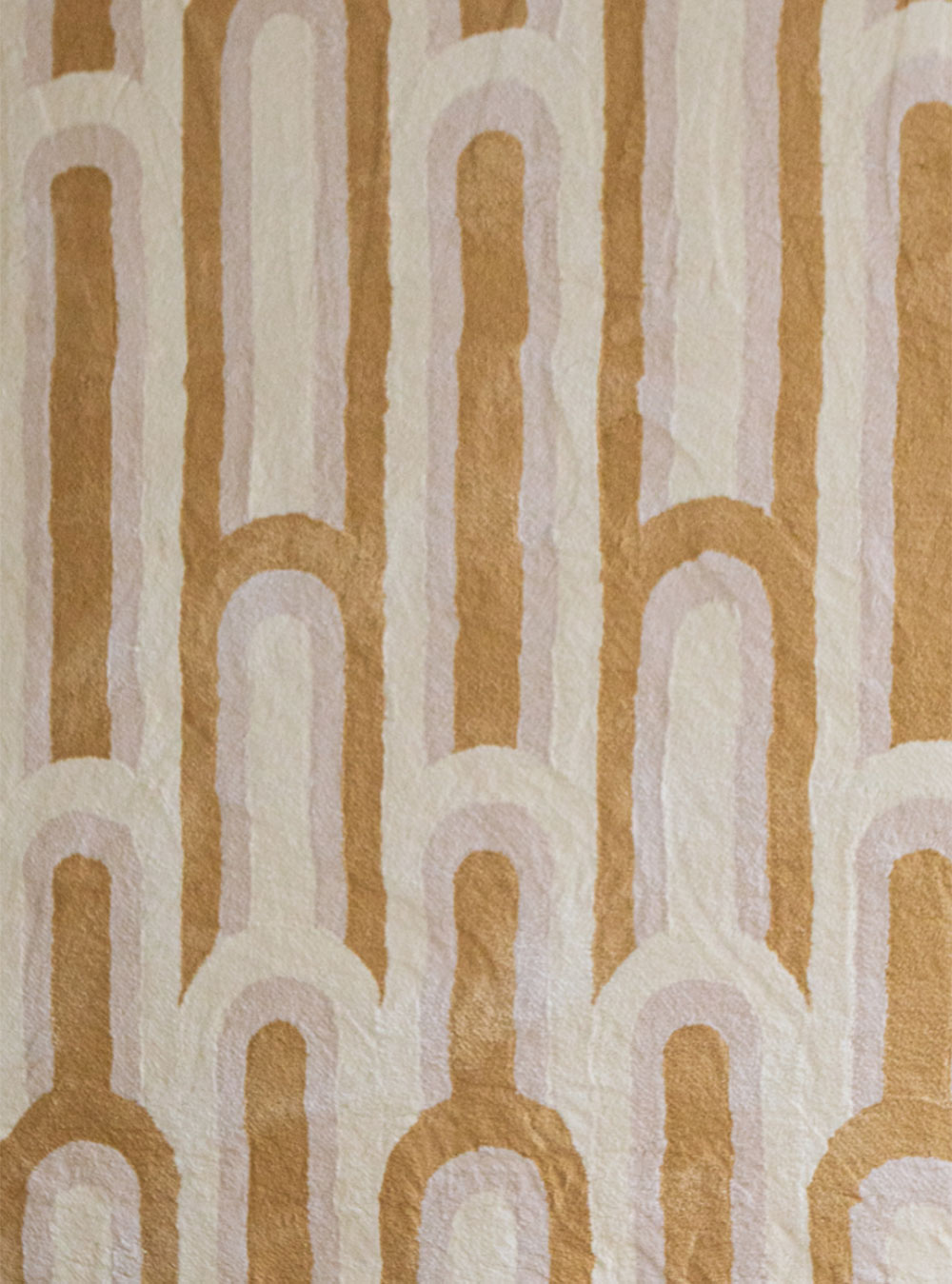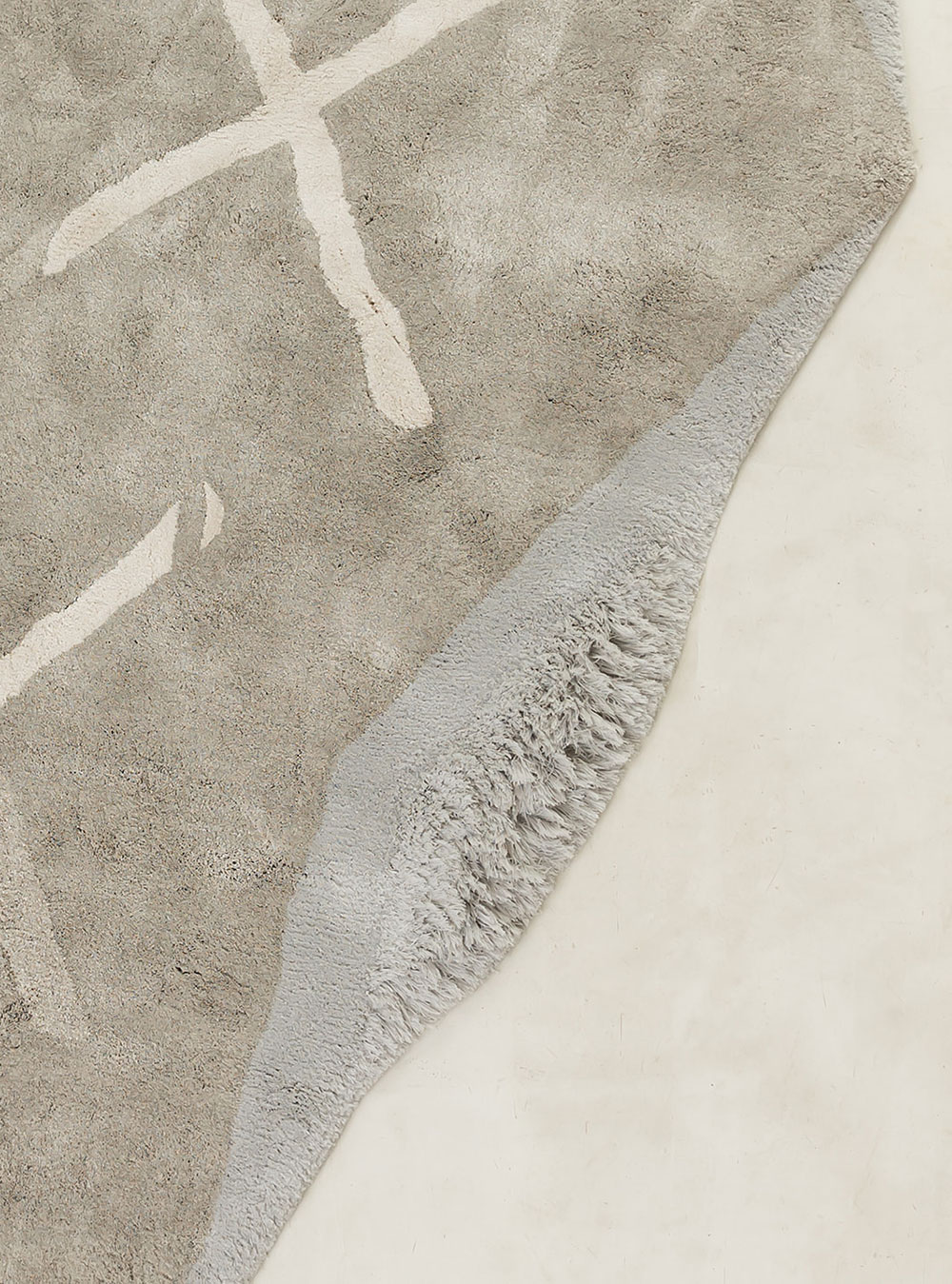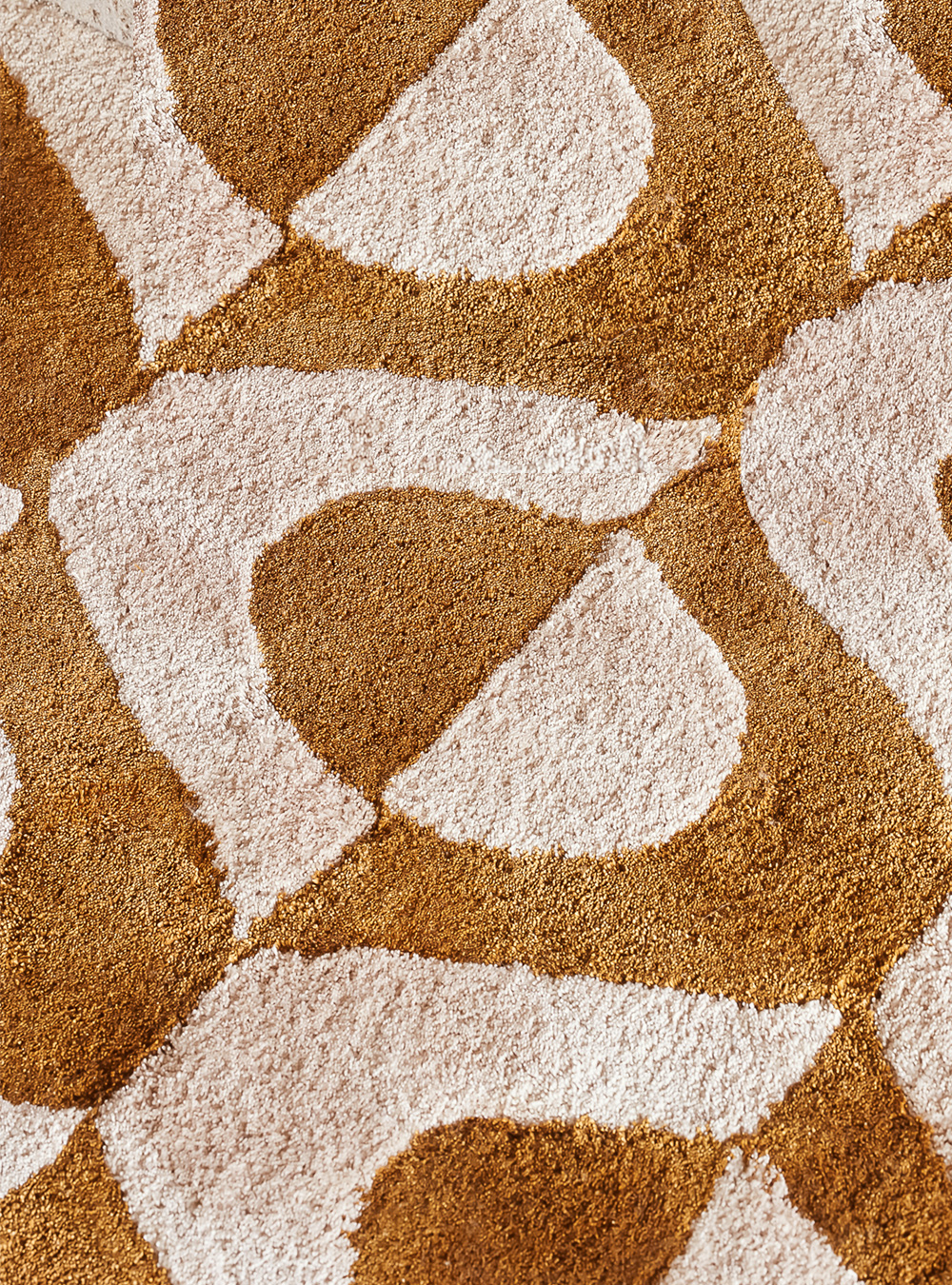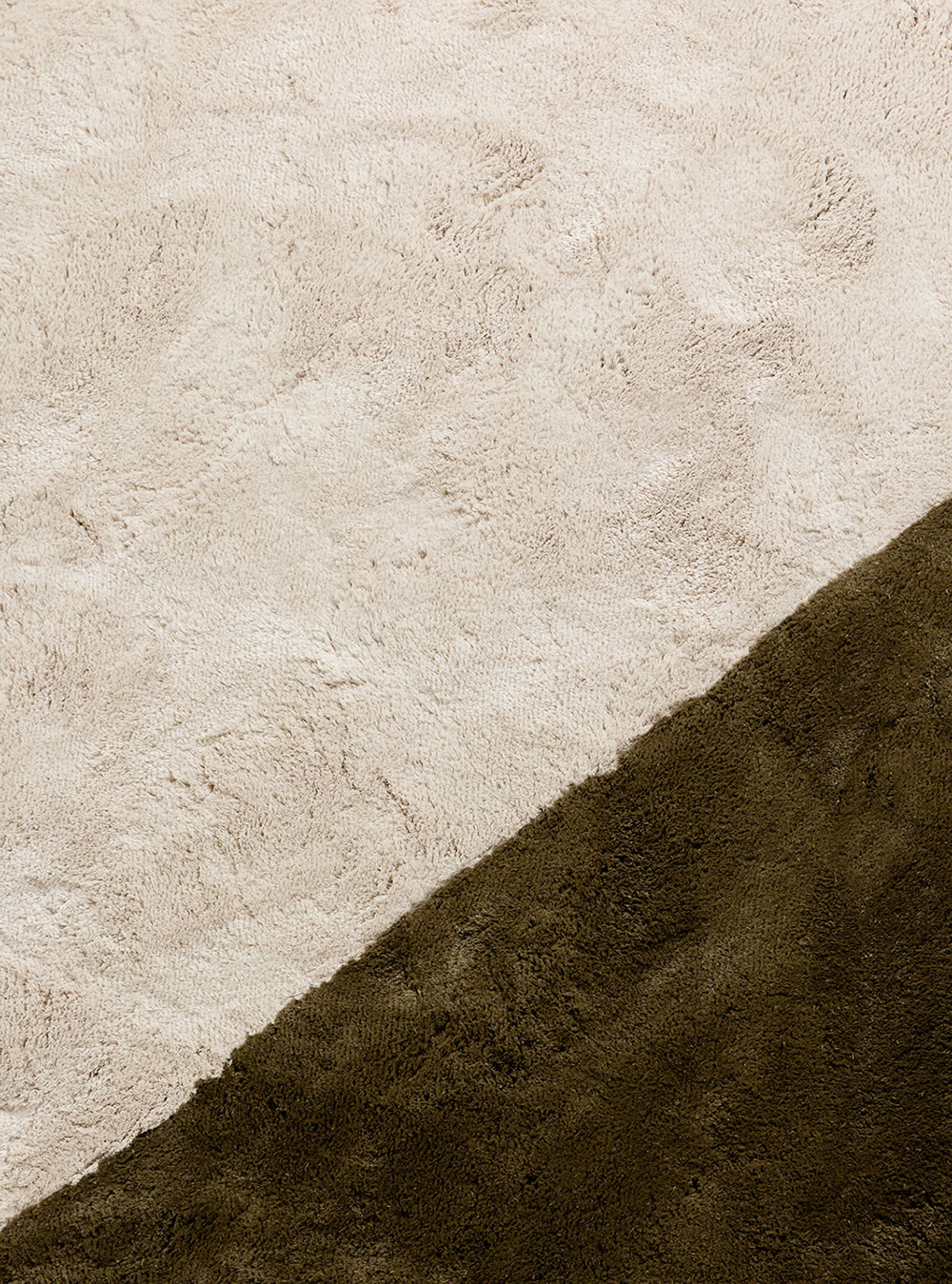
Photography by Luca Caizzi
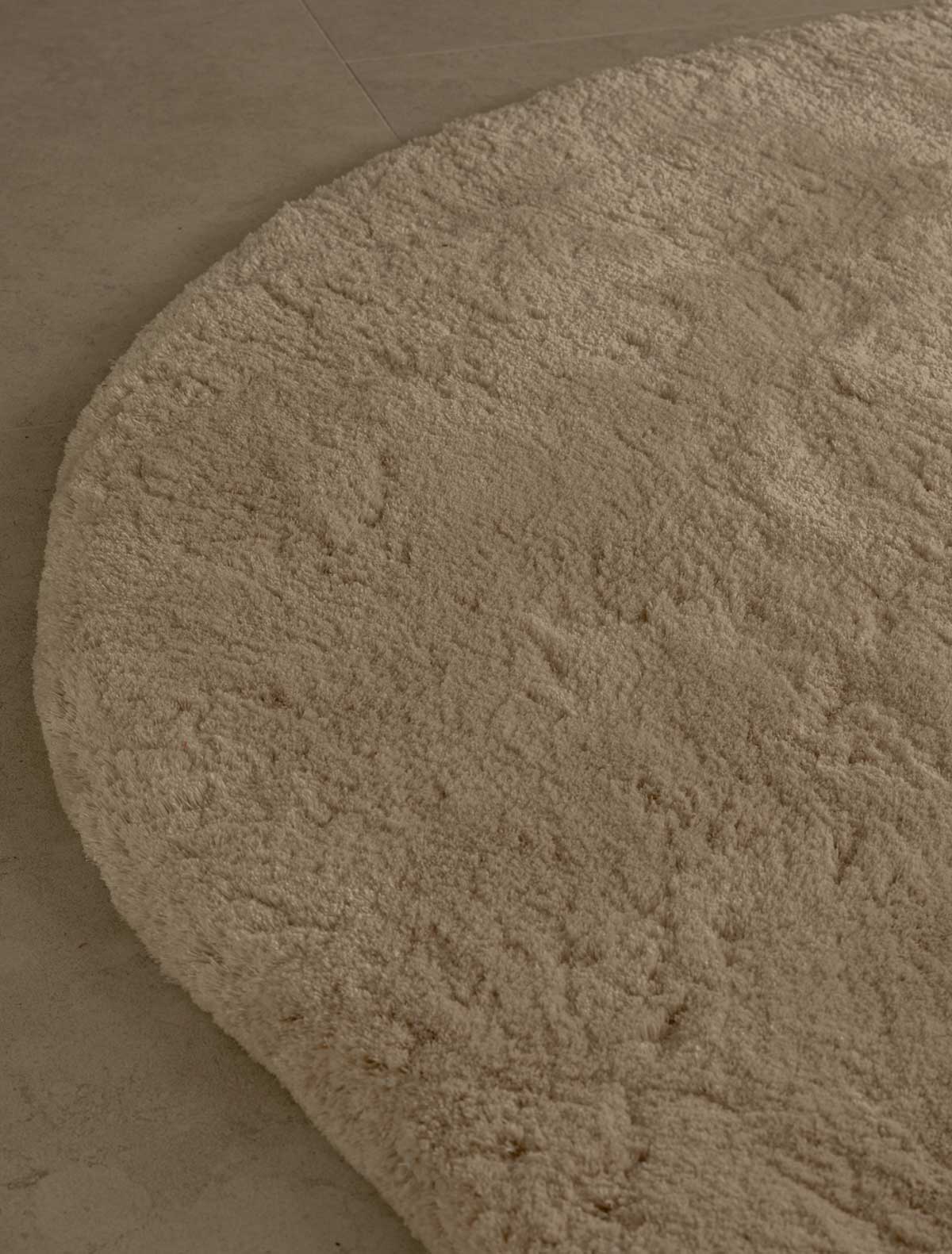
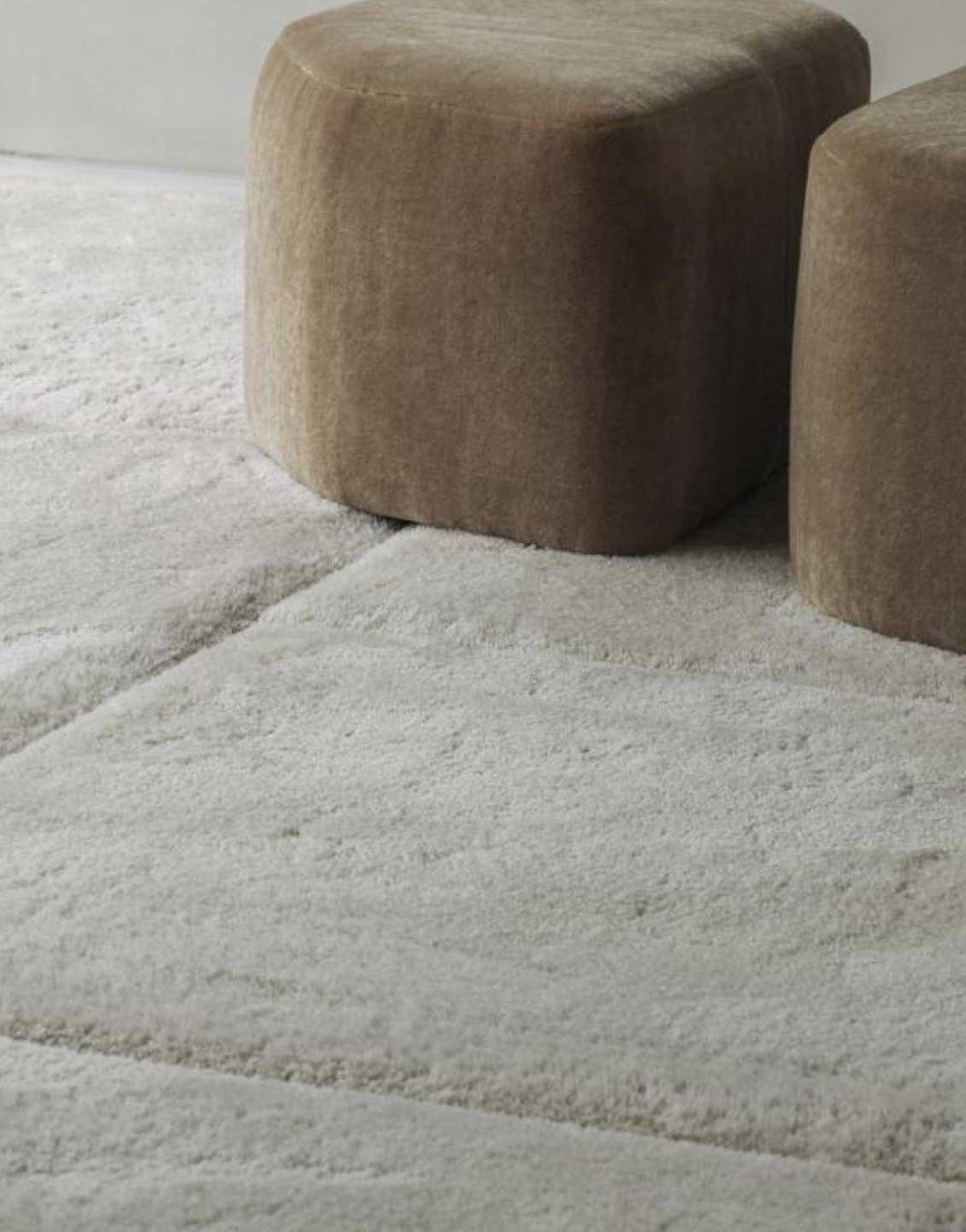
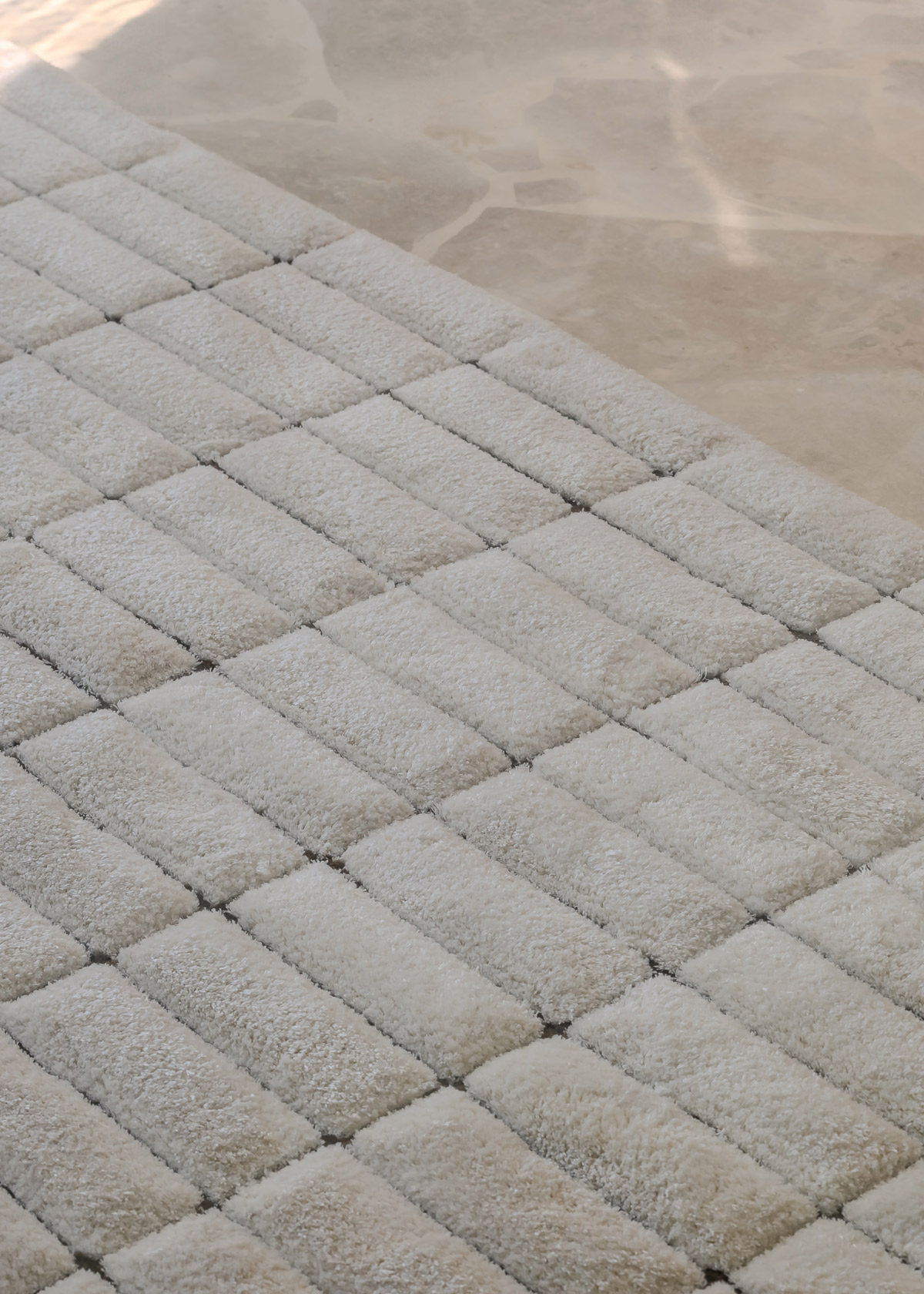
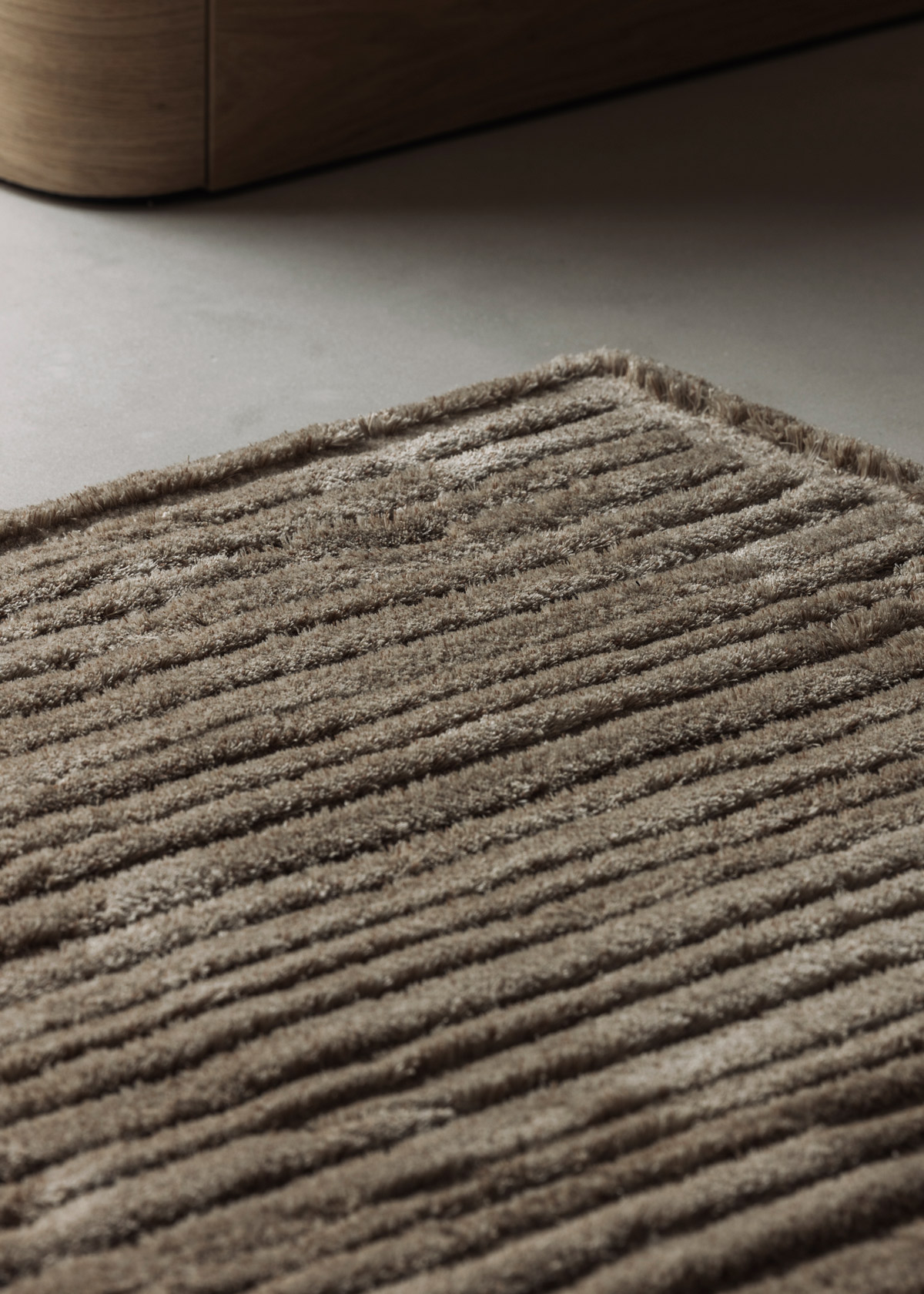
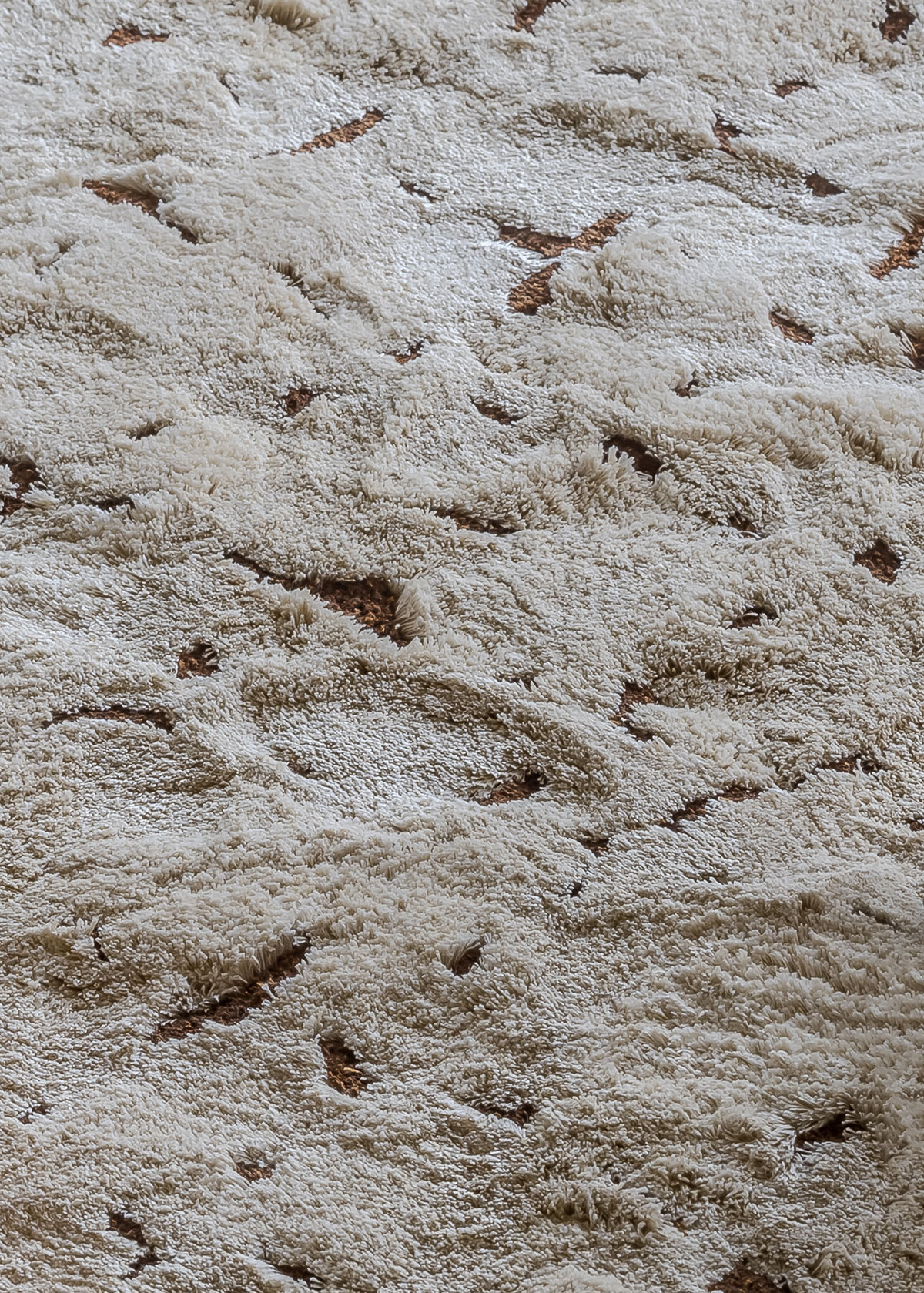
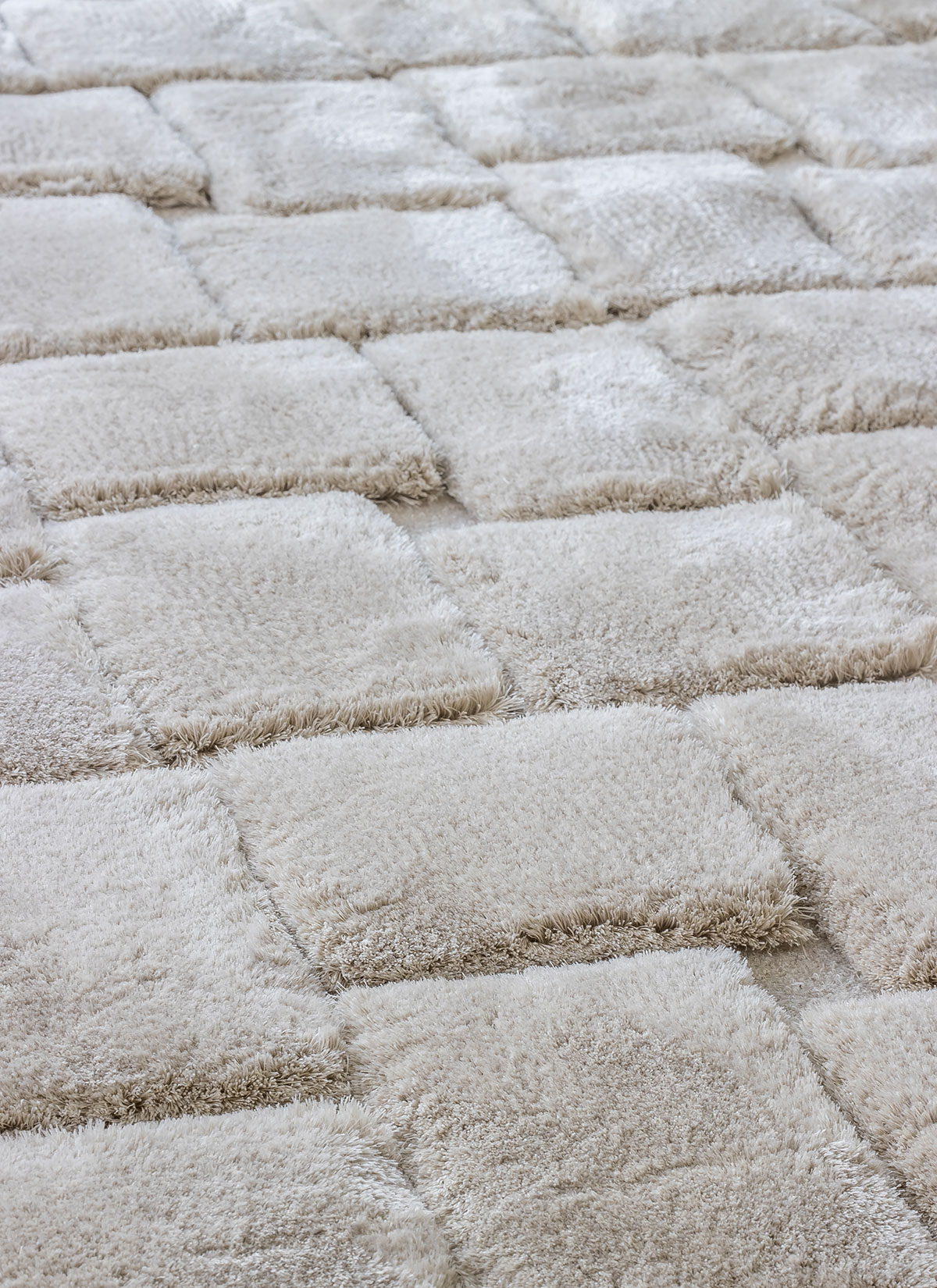
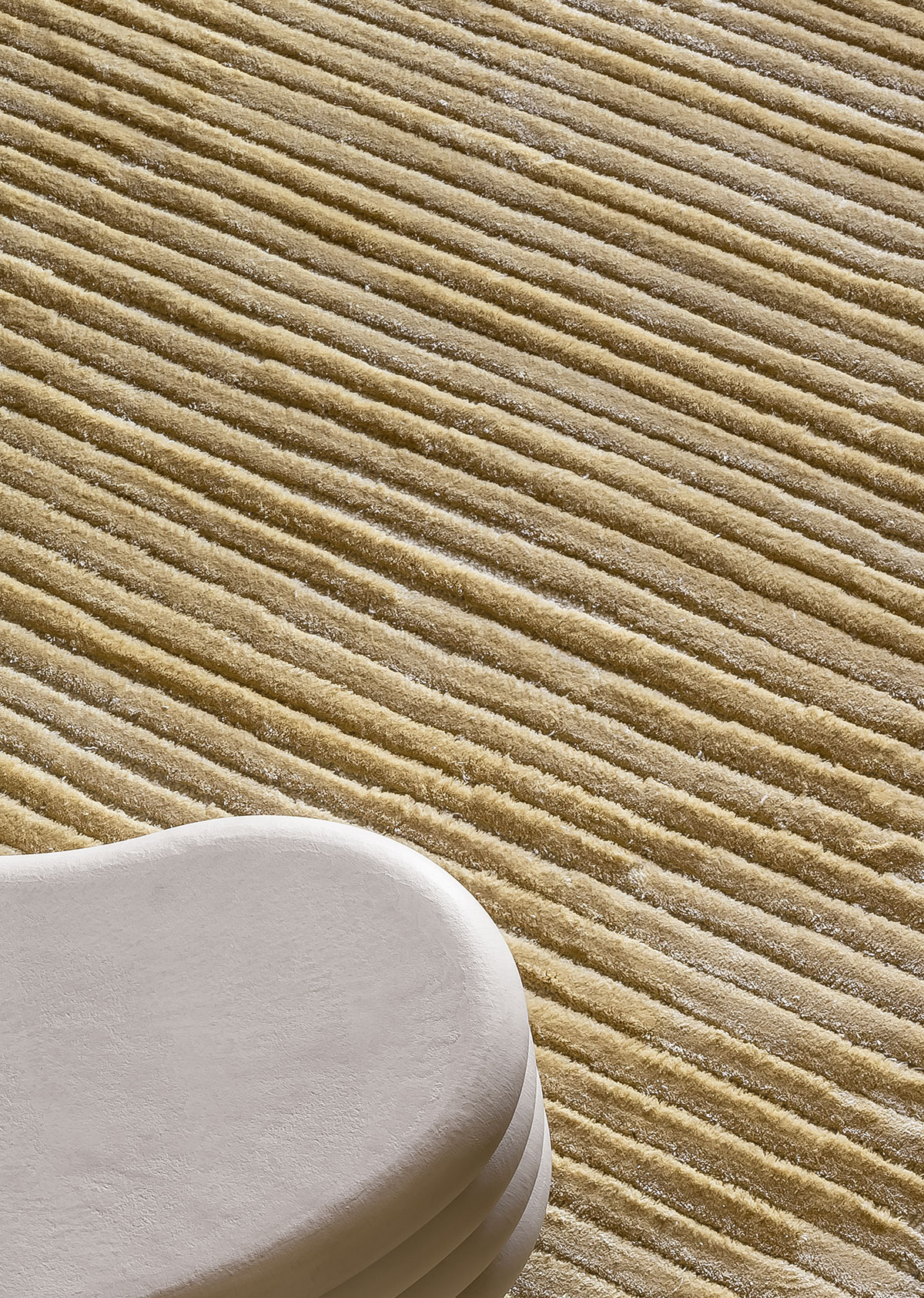
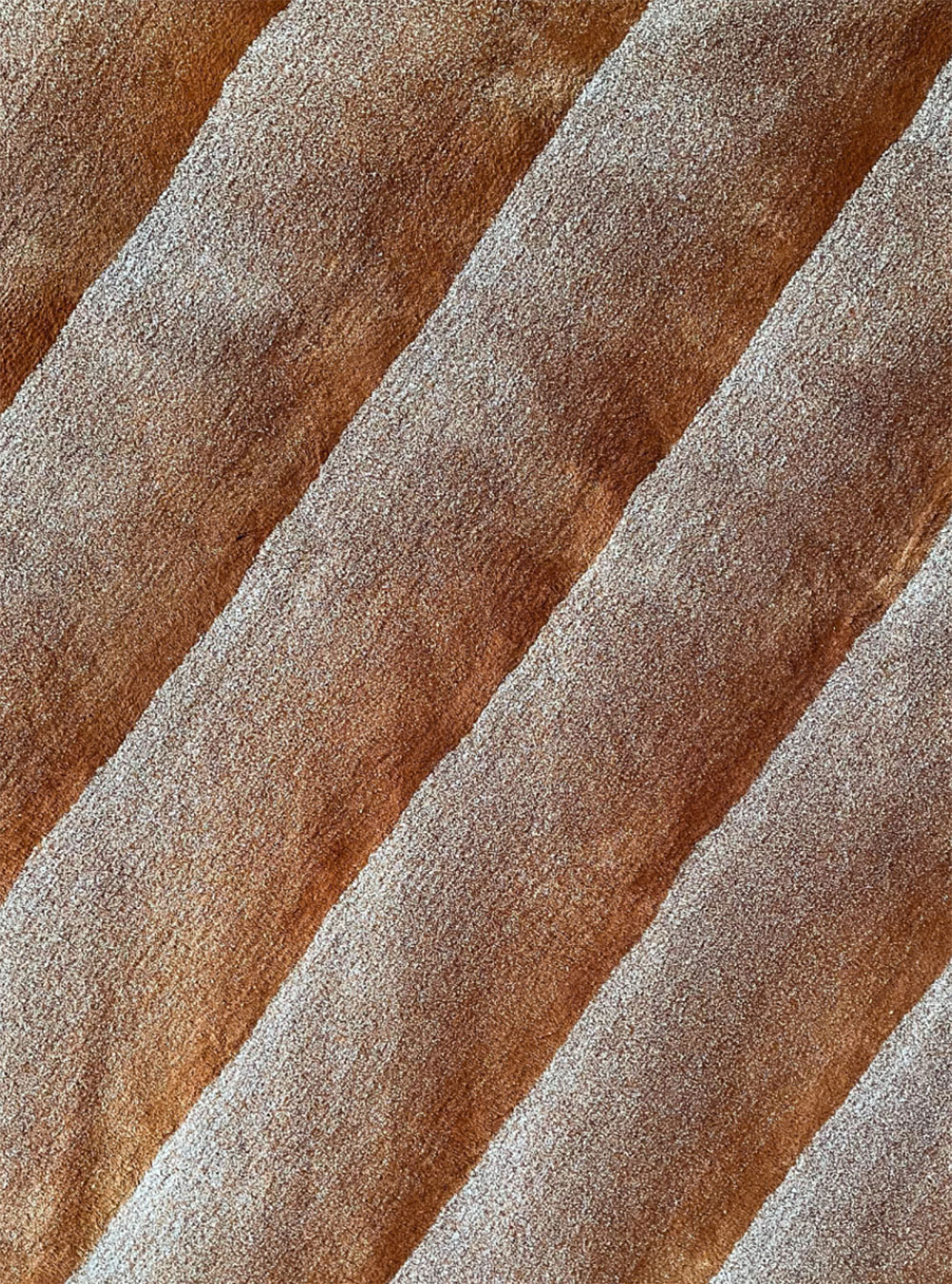
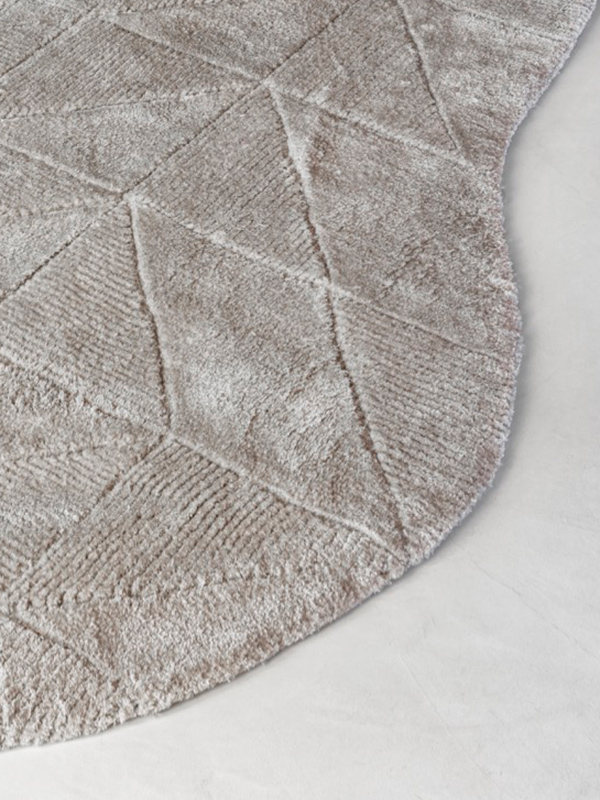
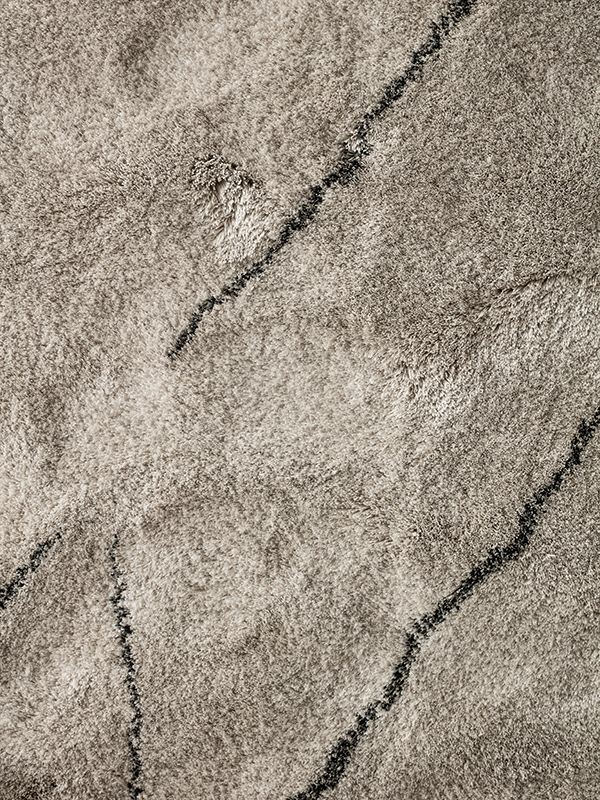
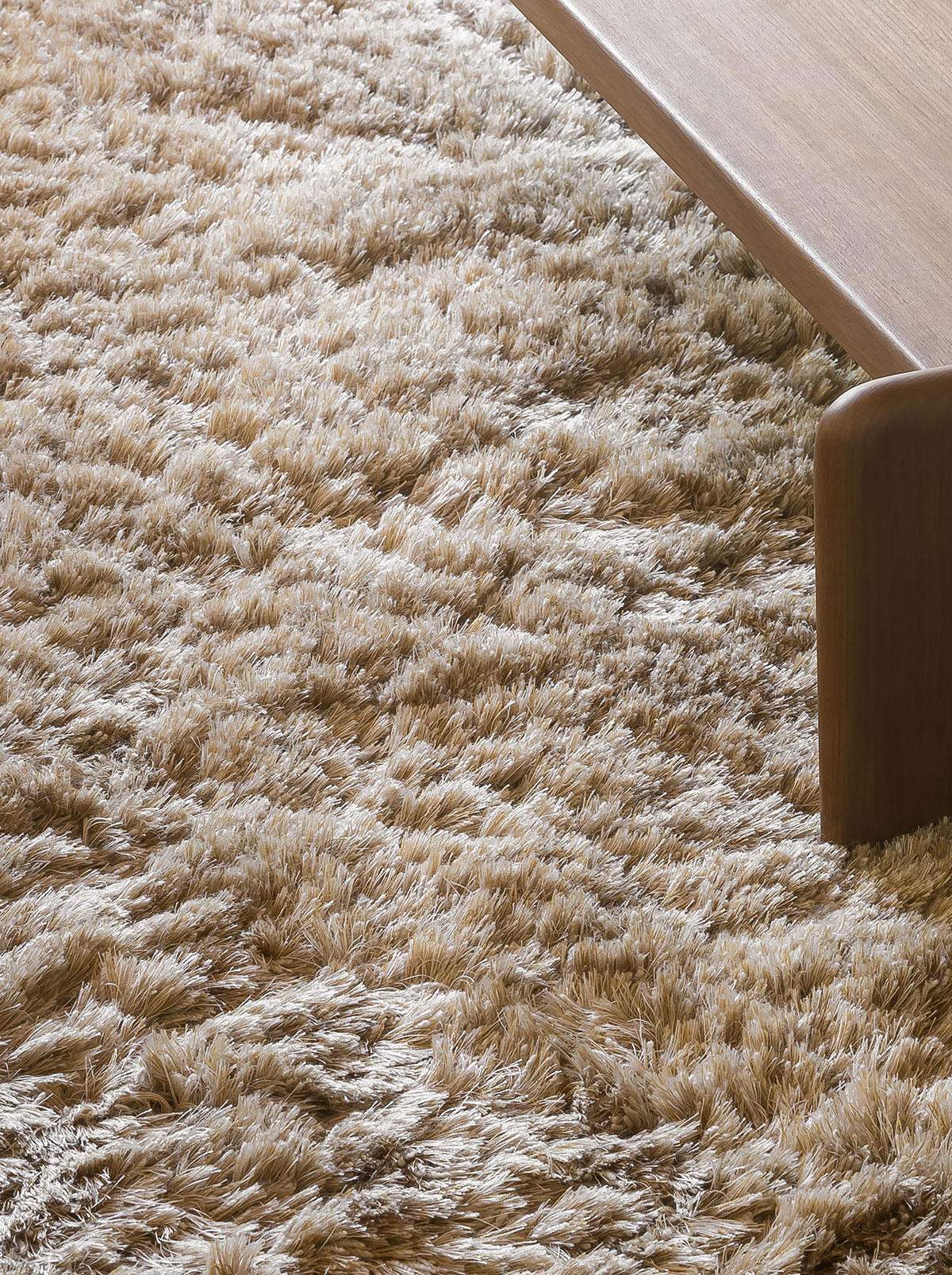
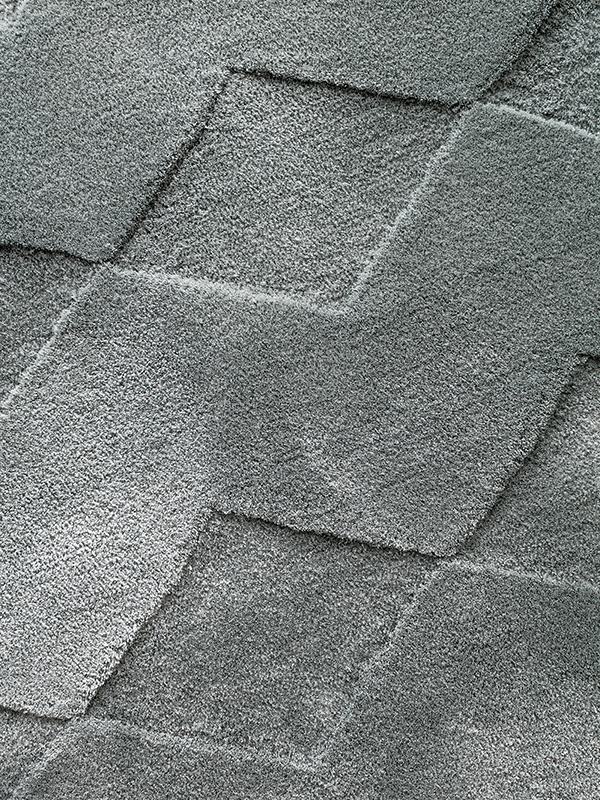
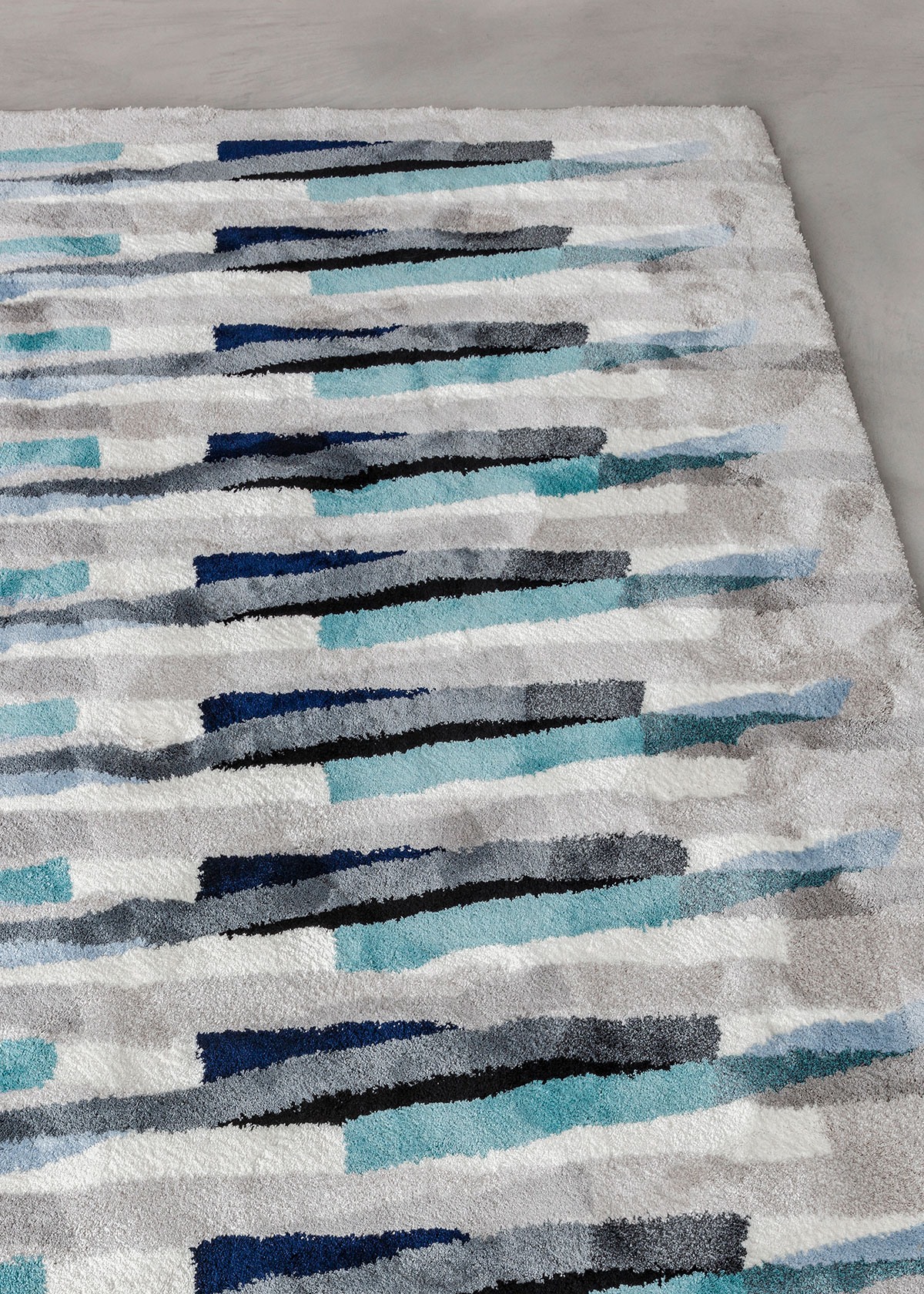
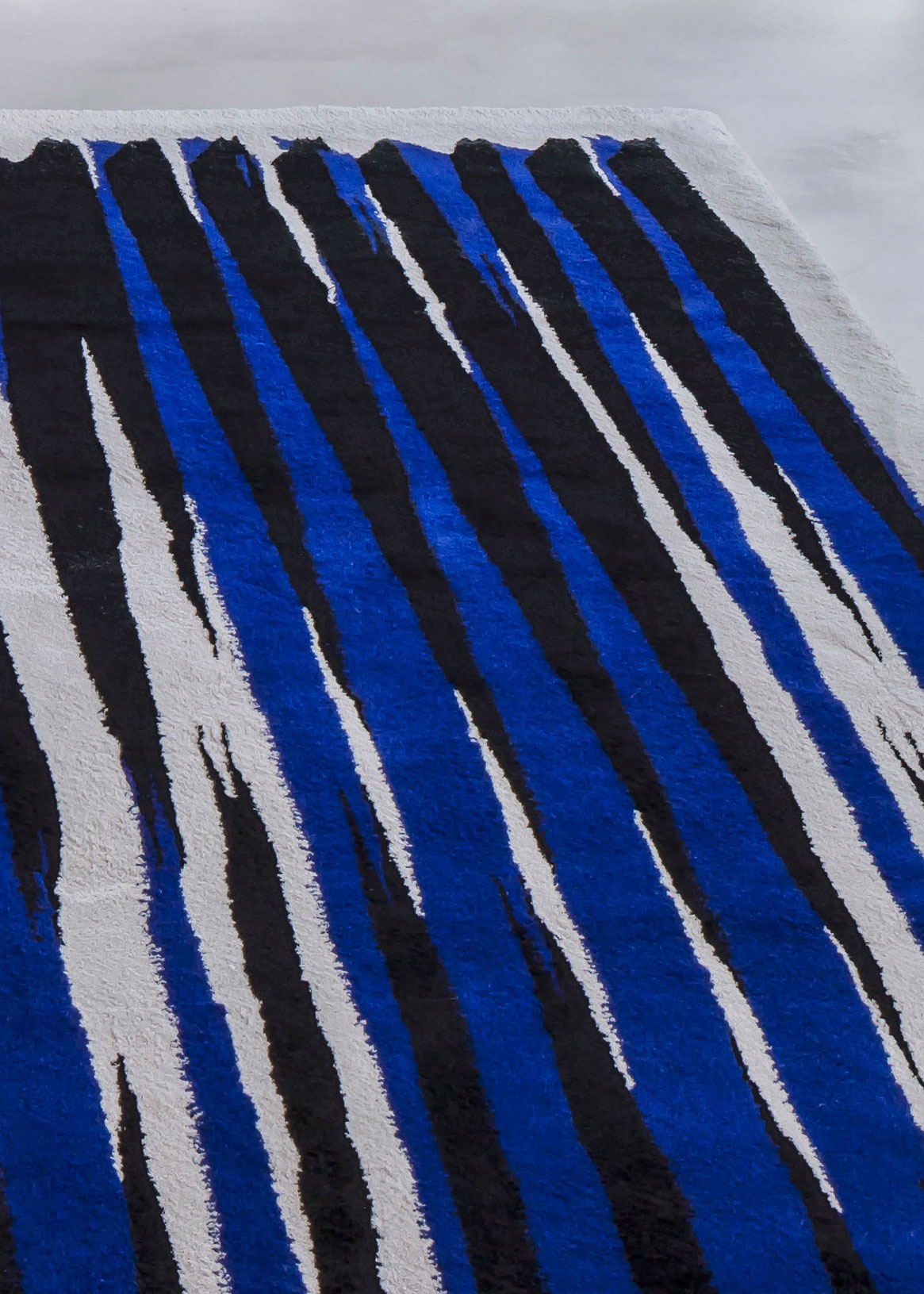
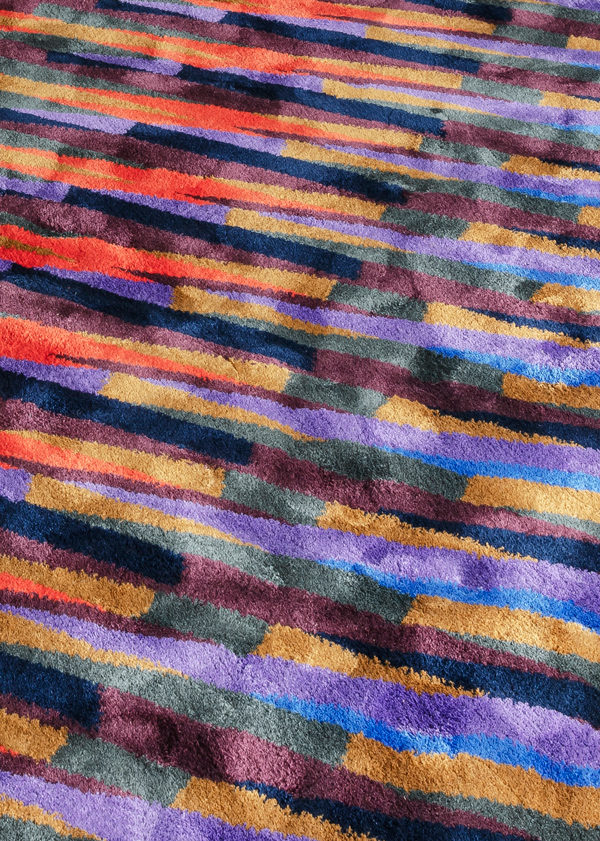
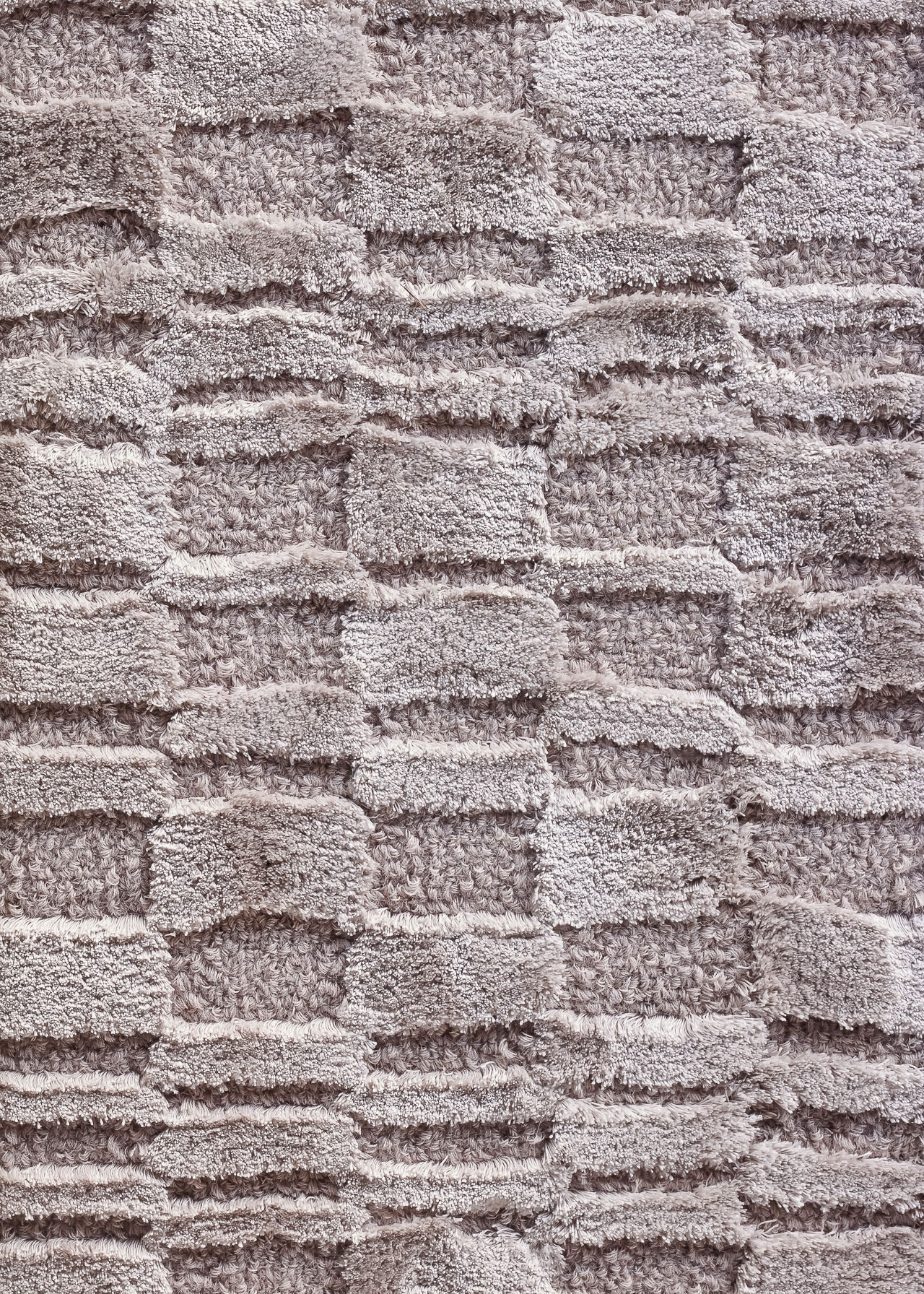
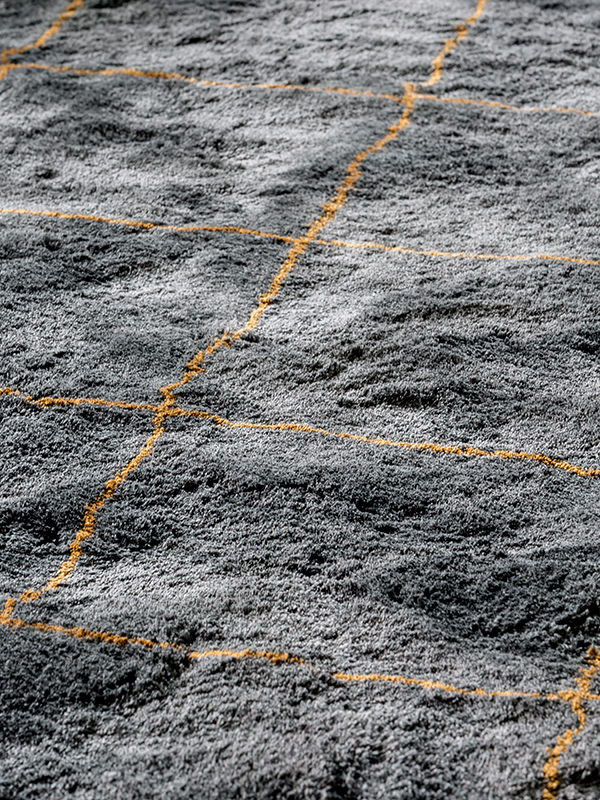
Following its debut at Milan Design Week 2025, Sussurro marks Laurids Gallée first exploration of hand-tufted rugs. This considered collaboration between Rotterdam-based designer Laurids Gallée and Belgian rug maker JOV is grounded in a shared language of craftsmanship. In this interview, Gallée reflects on process over positioning, the influence of resin on his approach to textiles, and the atmospheric qualities that shaped Sussurro from clouded skies to soft chromatic gradients. What emerges is a conversation about observation, craftsmanship and the subtle ways objects can hold both narrative and presence within an interior.
~
Your work is often described as sitting somewhere between light, colour and form before function even enters the conversation. How do you personally define what you do, and what are you most curious about right now in your practice?
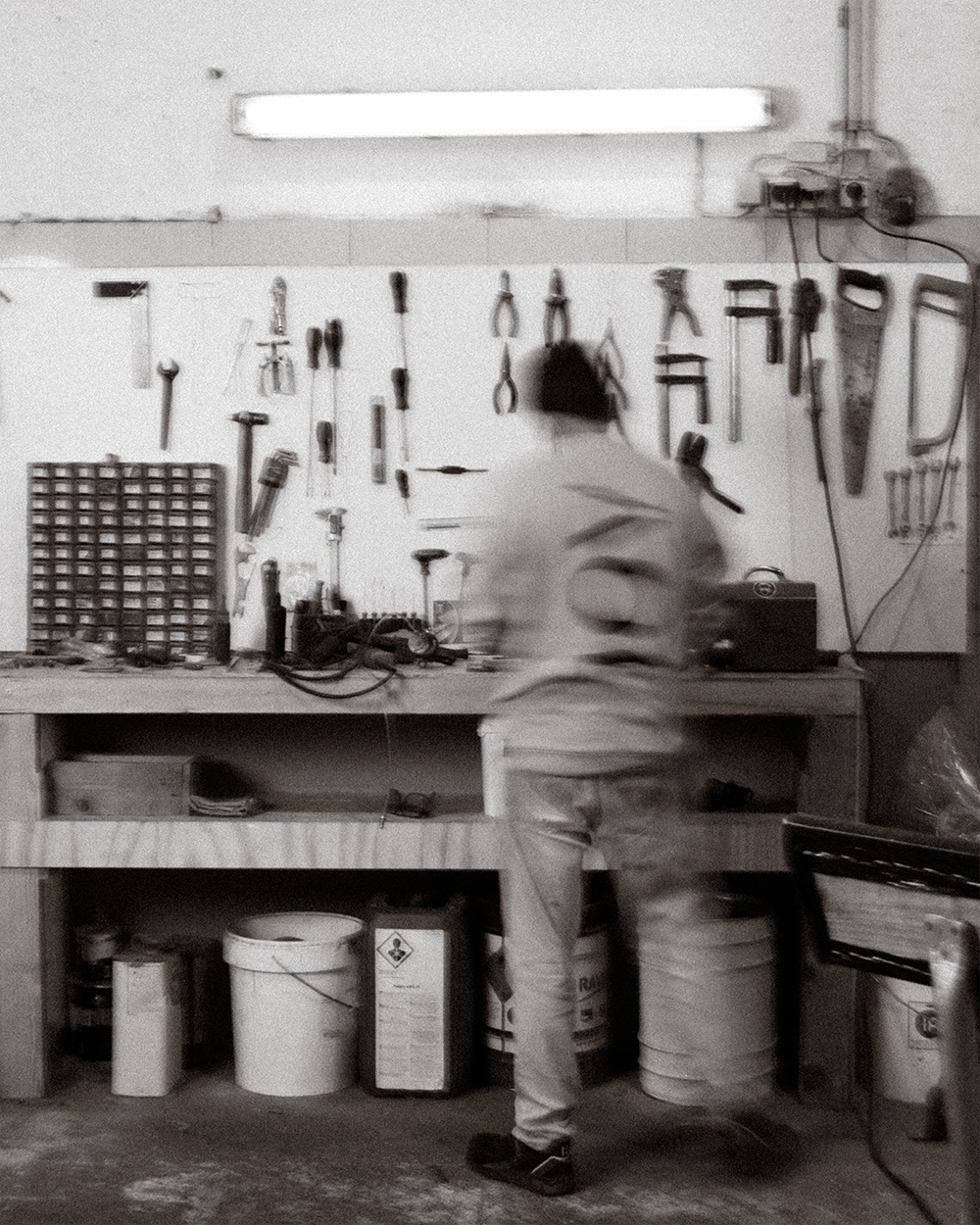
I don’t really have a fixed definition or label for what I do, I’m more aware of where the work comes from. Growing up with artist parents, I was surrounded by objects and artefacts that carried meaning beyond function. Later, studying design introduced functionality as a framework but that’s no longer where my main curiosity sits. Right now, I’m much more interested in process than positioning. The work is driven by personal fascinations rather than categories. Craft, physical phenomena, and the way objects can carry narrative or iconographic weight are recurring elements in my practice.
Looking back, what is your earliest memory of exploring creativity, and how did those early experiences shape the path that led you to where you are today?
I don’t have a clear or romantic moment in mind. Creativity was simply always present. I painted from a young age, and some early abstract paintings still exist in my parents’ house. It never felt like something that began at a specific point, it was more a constant backdrop.
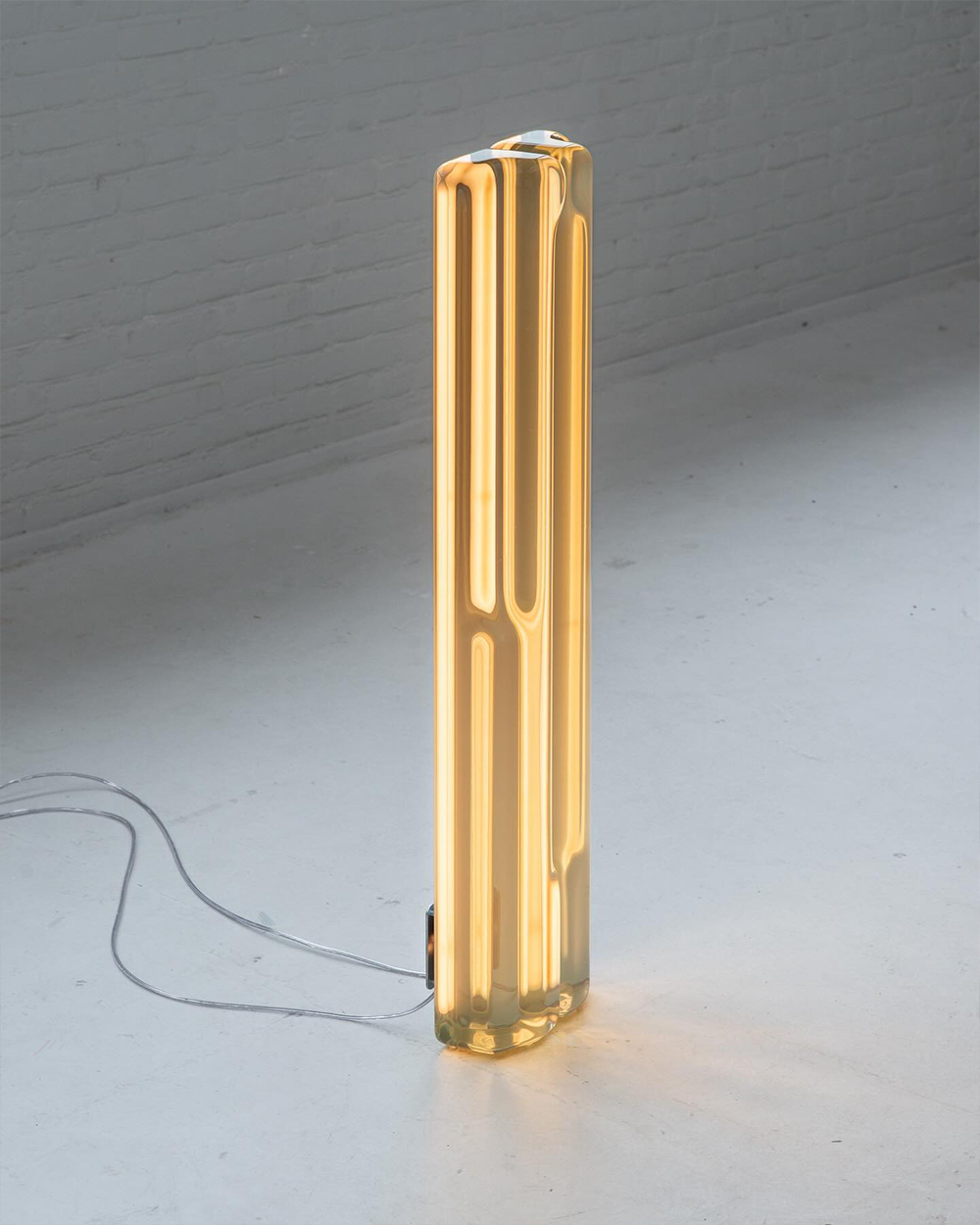
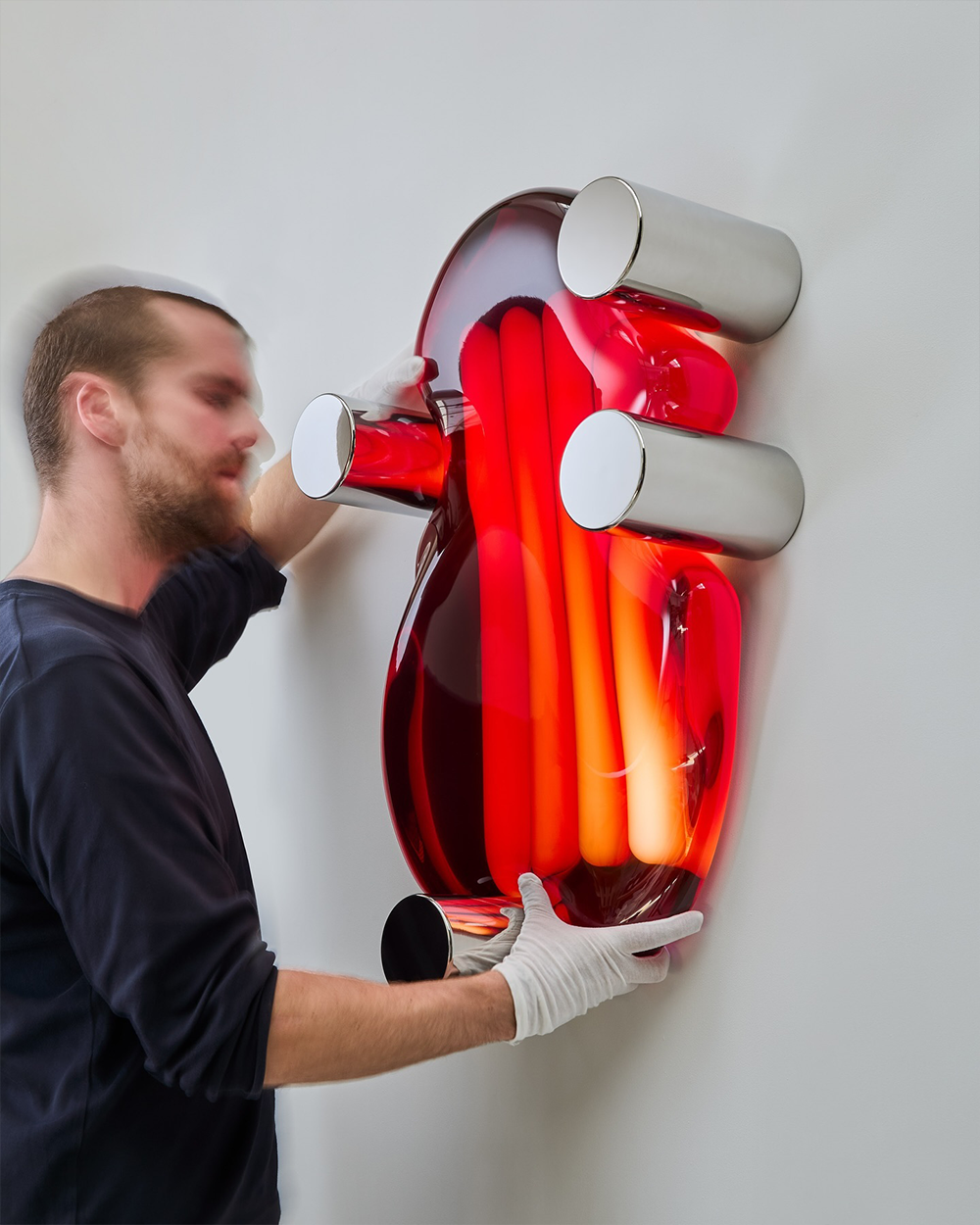
You first gained wider recognition through your work with resin, a material that allows for control over translucency and surface finish. What did that material teach you about light, and how has that understanding evolved?
It wasn’t something I learned in a didactic way, instead, it made me observe. And the work grew out of that continuous observation. How light reflects, refracts, fades; how colour behaves inside solid materials, how pigments affect light differently… The resulting pieces feel more like conclusions to the experiments. It’s a very hands-on process, even if that isn’t always visible. Over time, I’ve gained a clearer understanding of what I’m drawn to and where the material’s limitations lie.
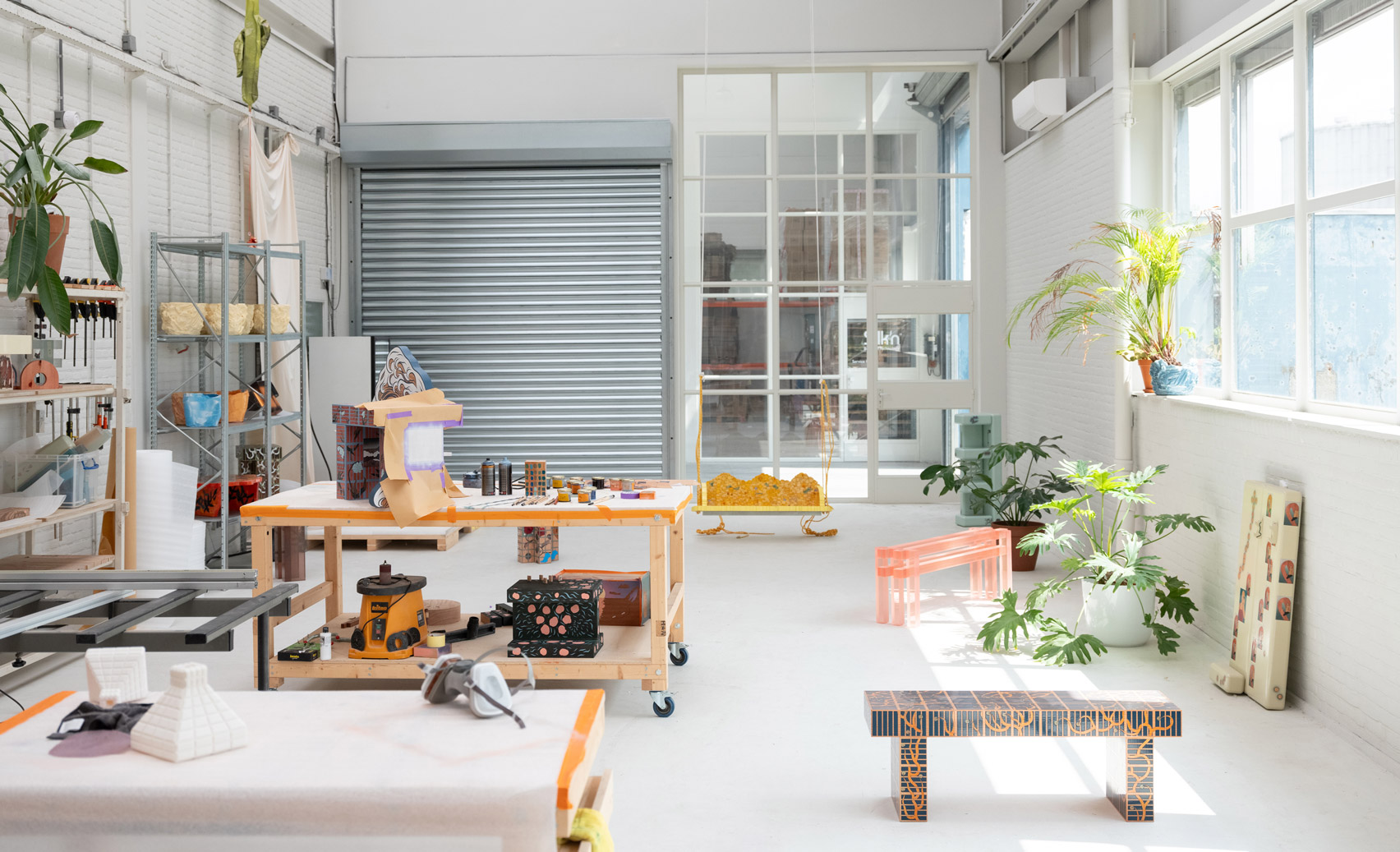
Photography by Titia Hahne
After its debut at Milan Design Week 2025, Sussurro marks a new chapter in your practice. What sparked the idea for the rug, and what drew you to translate light into a textile form?
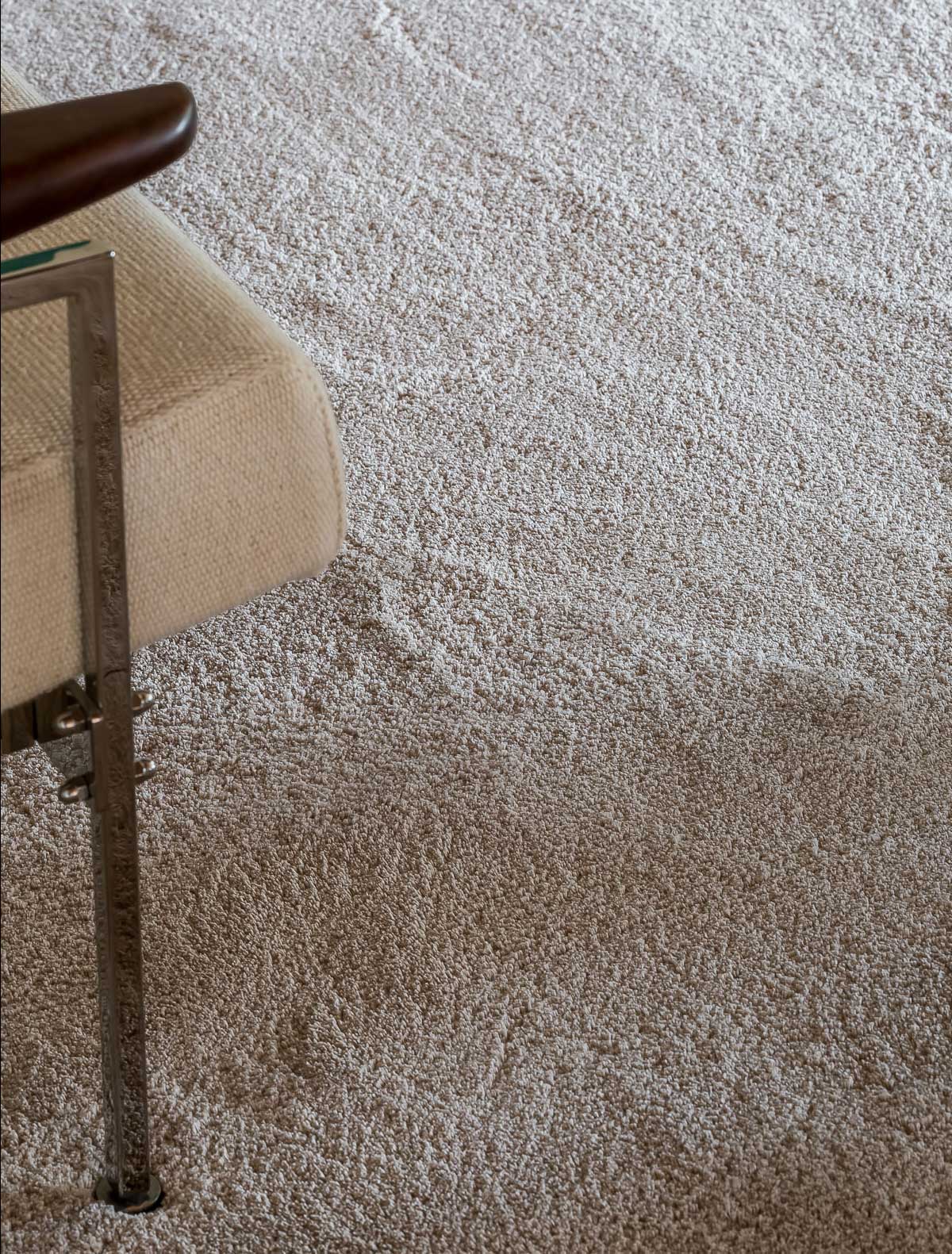
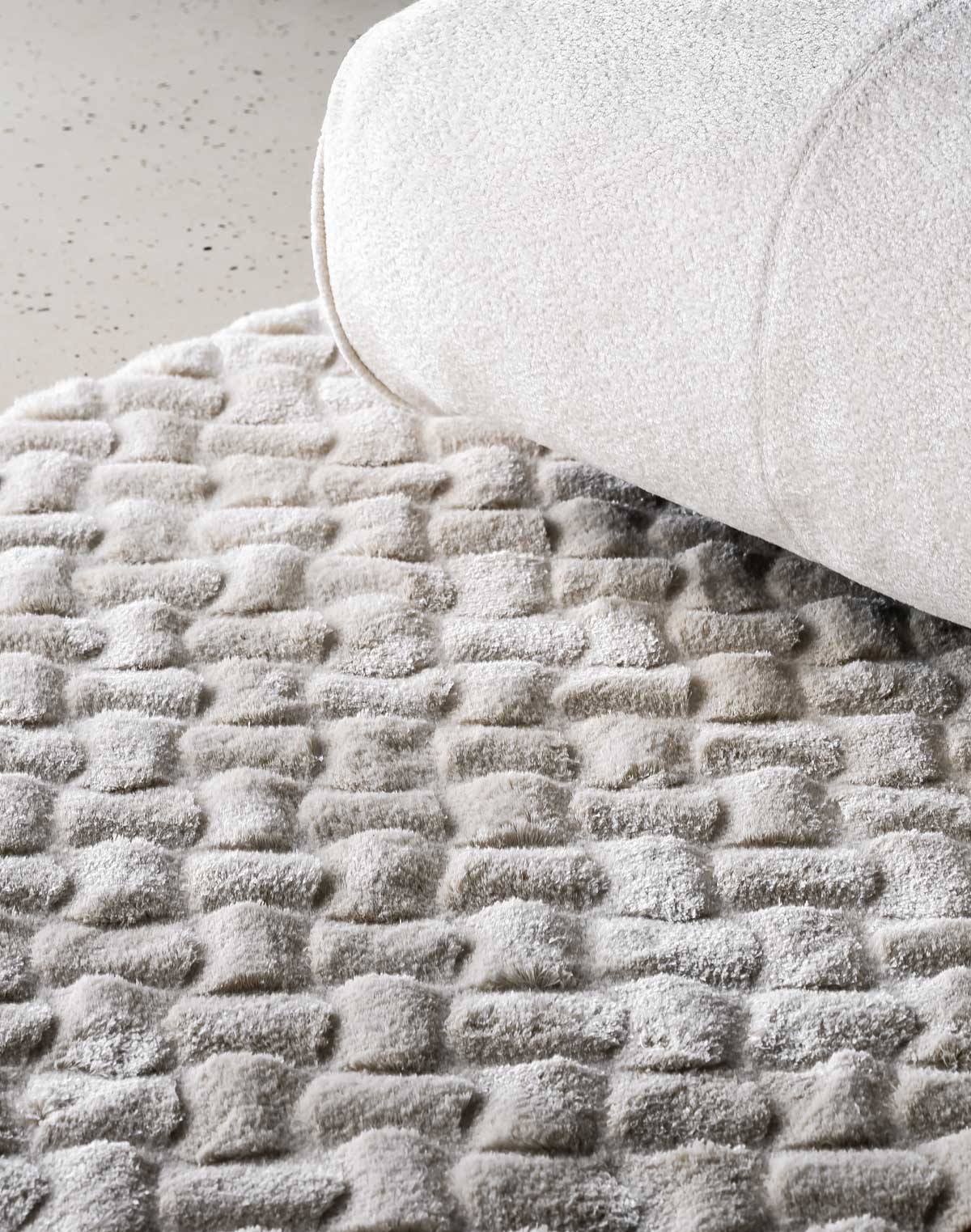
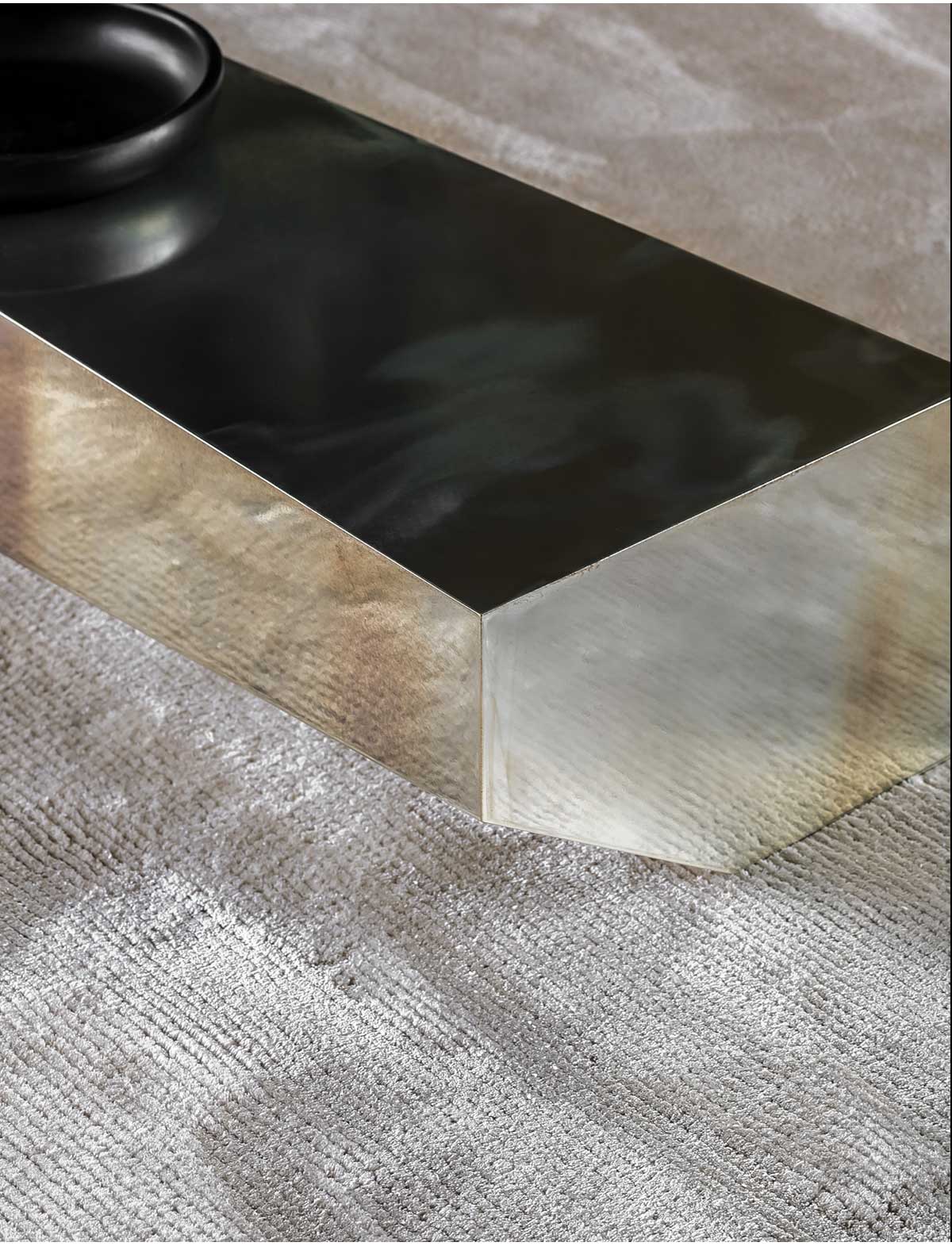
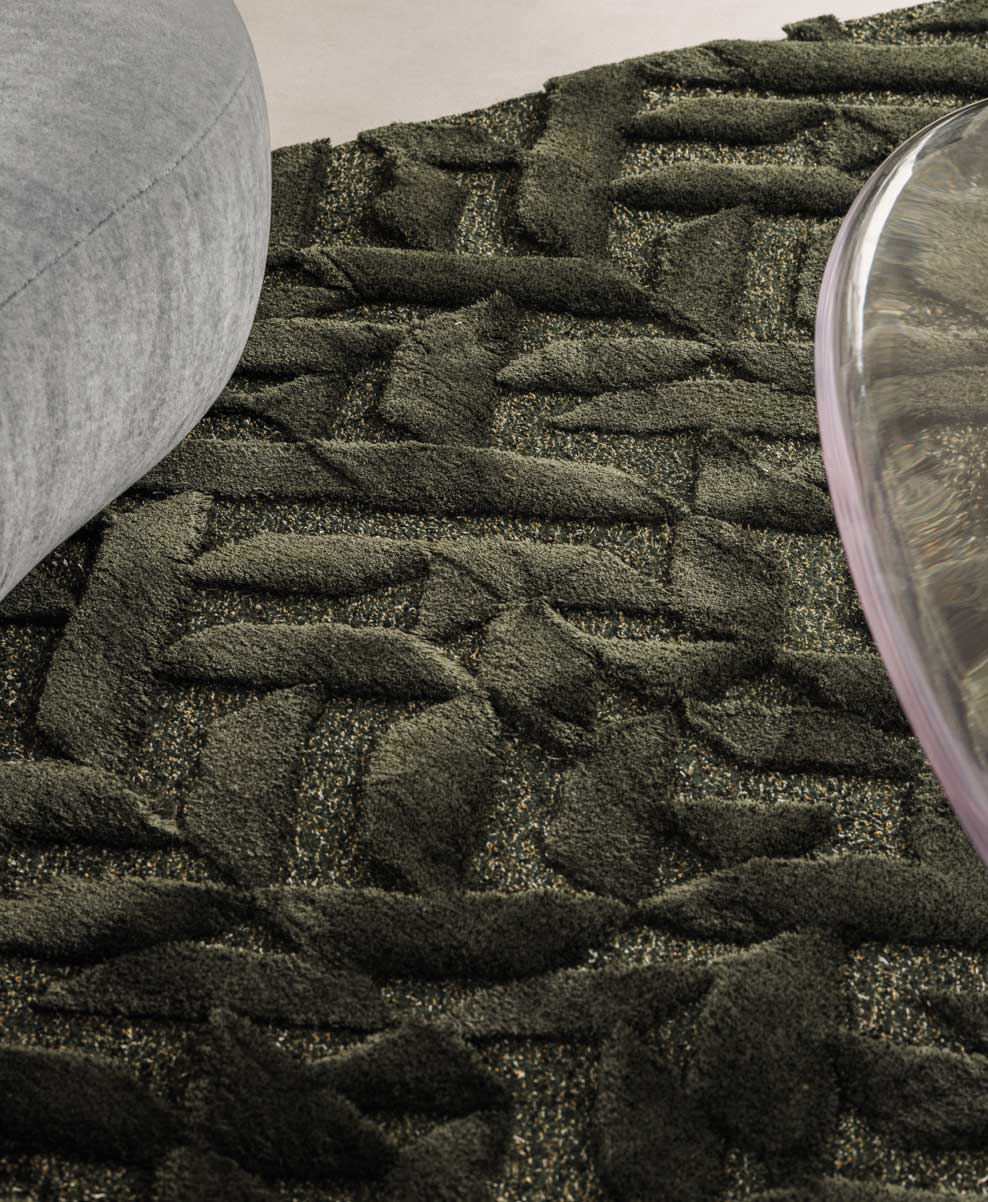
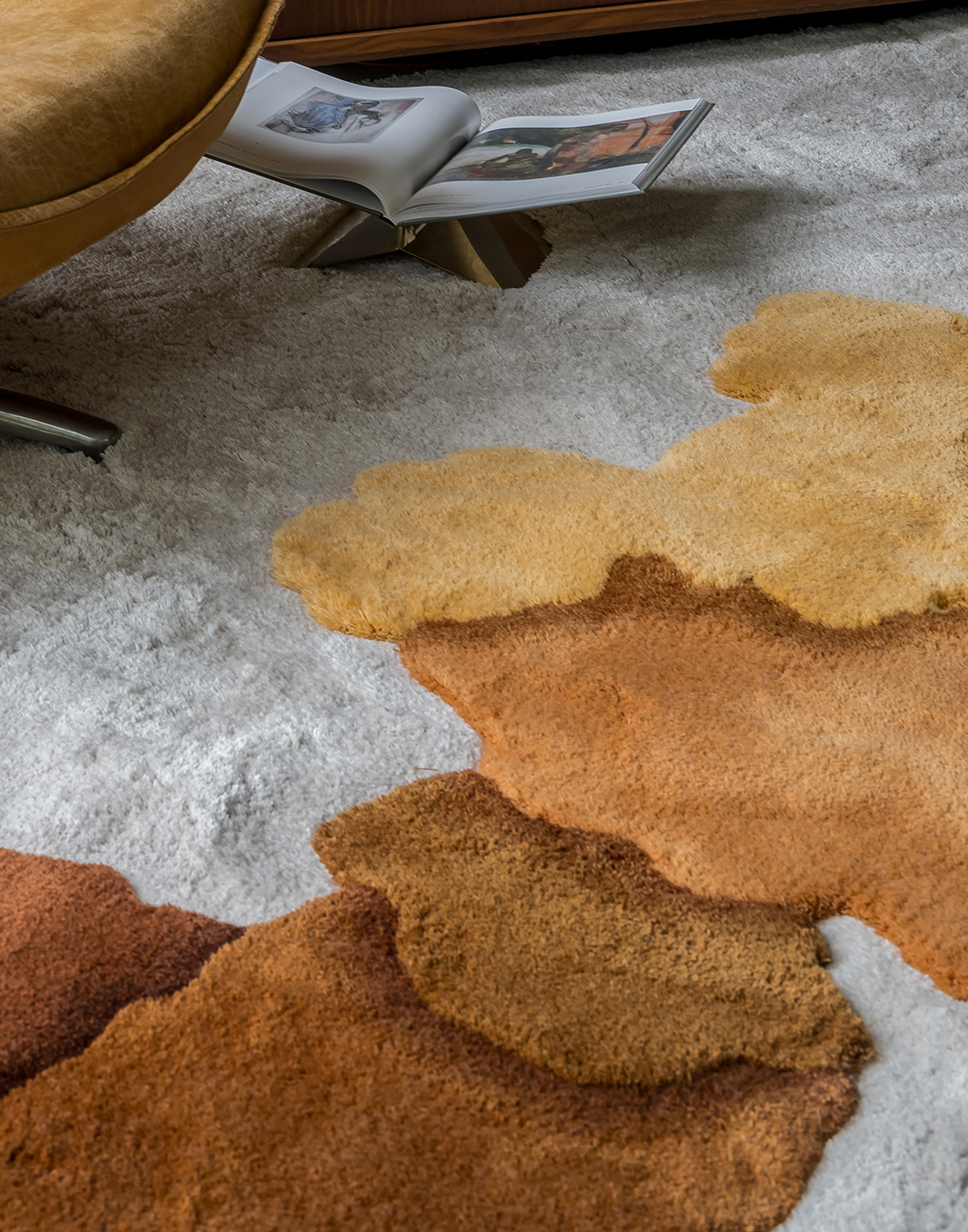
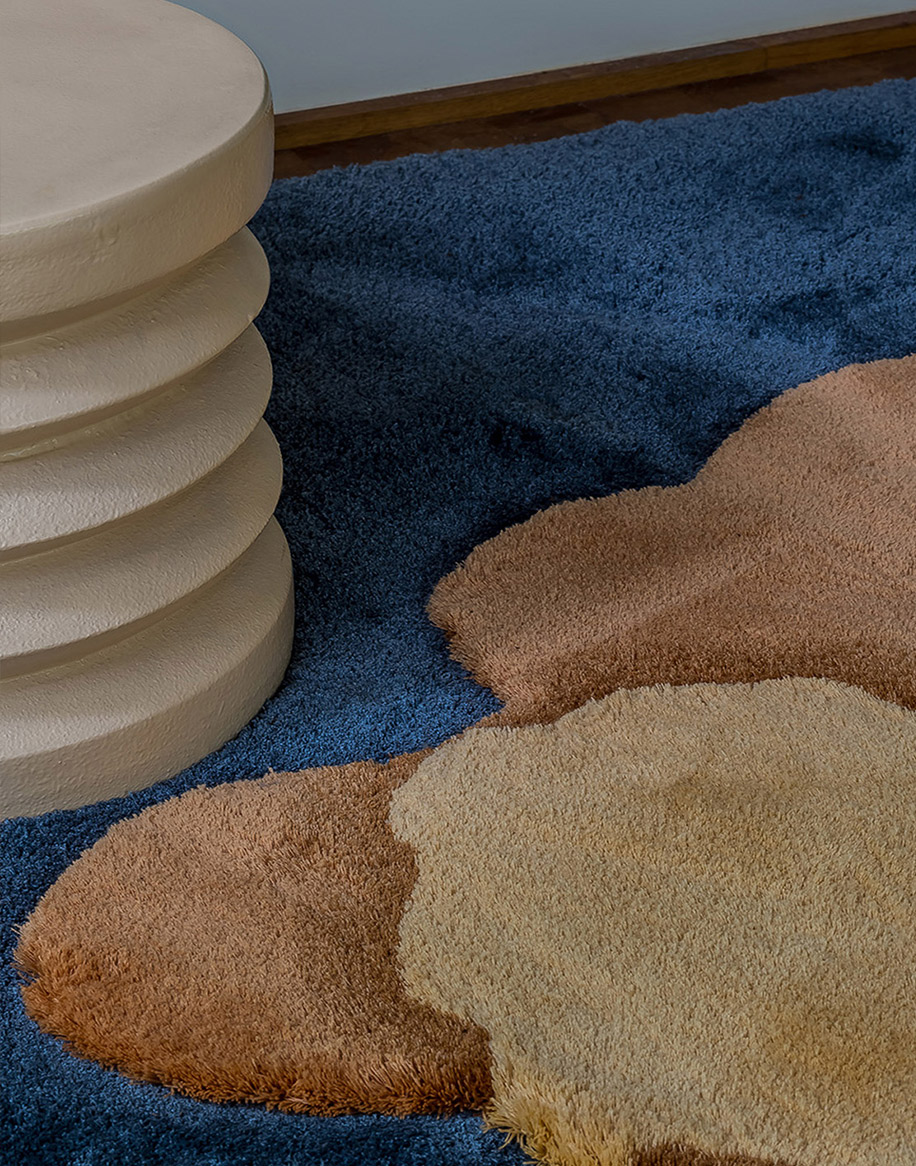
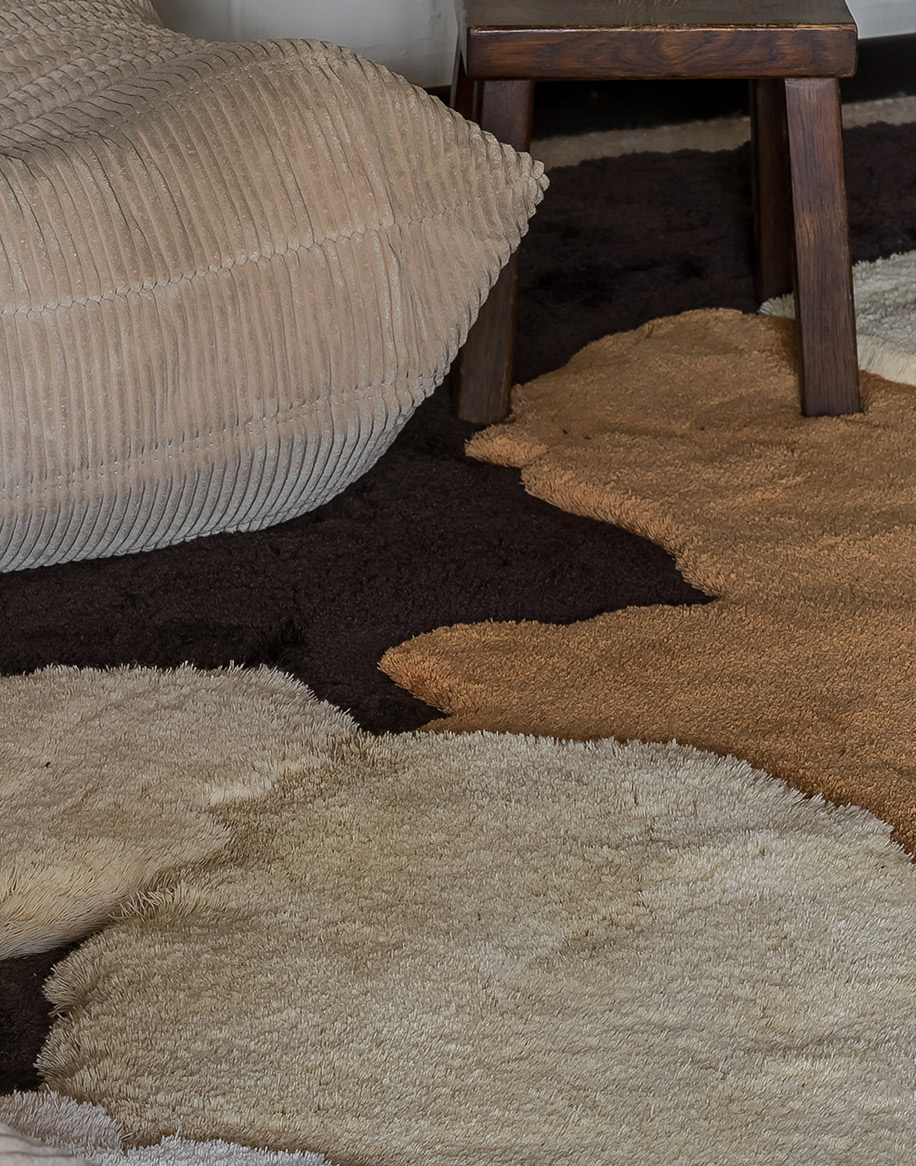
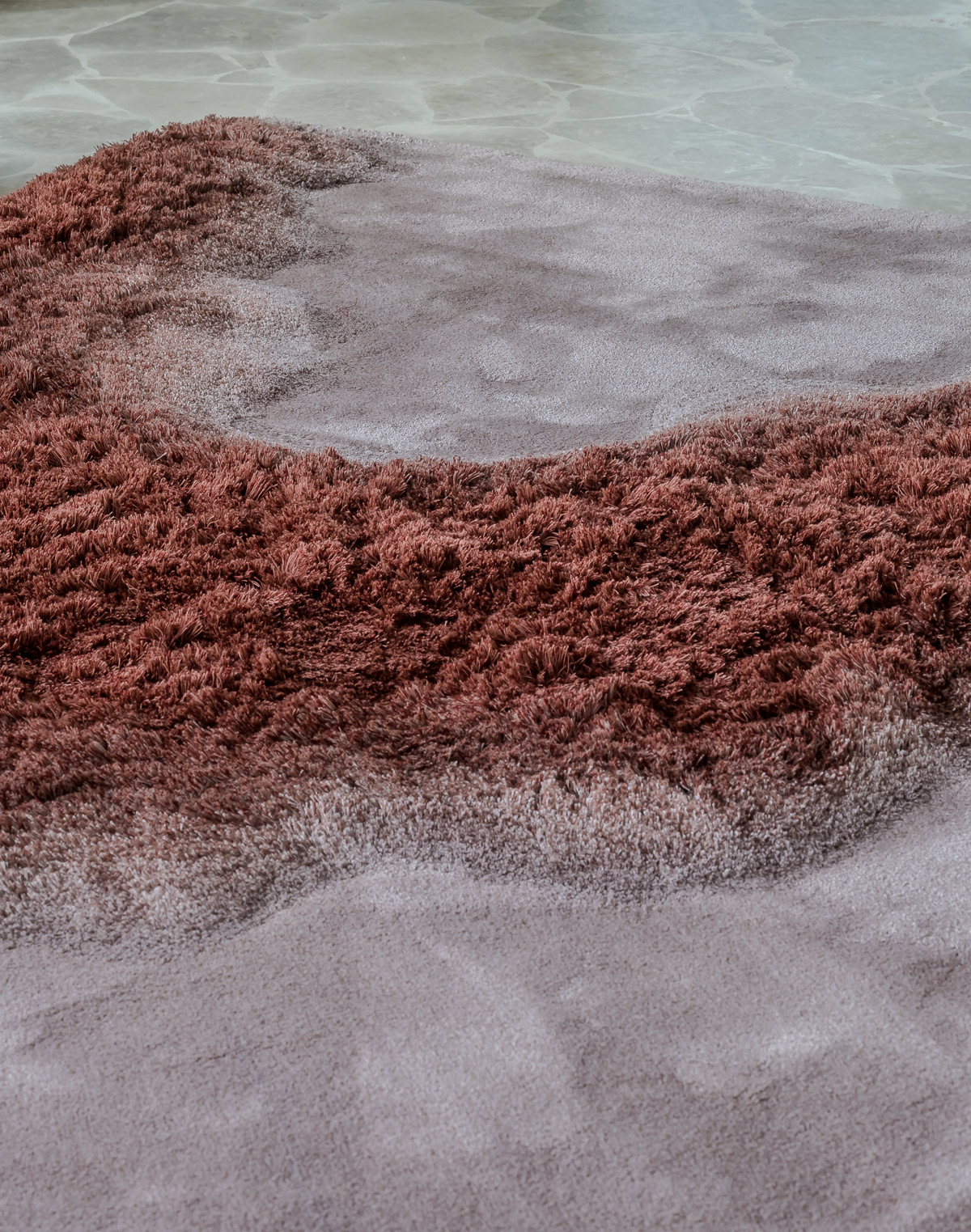
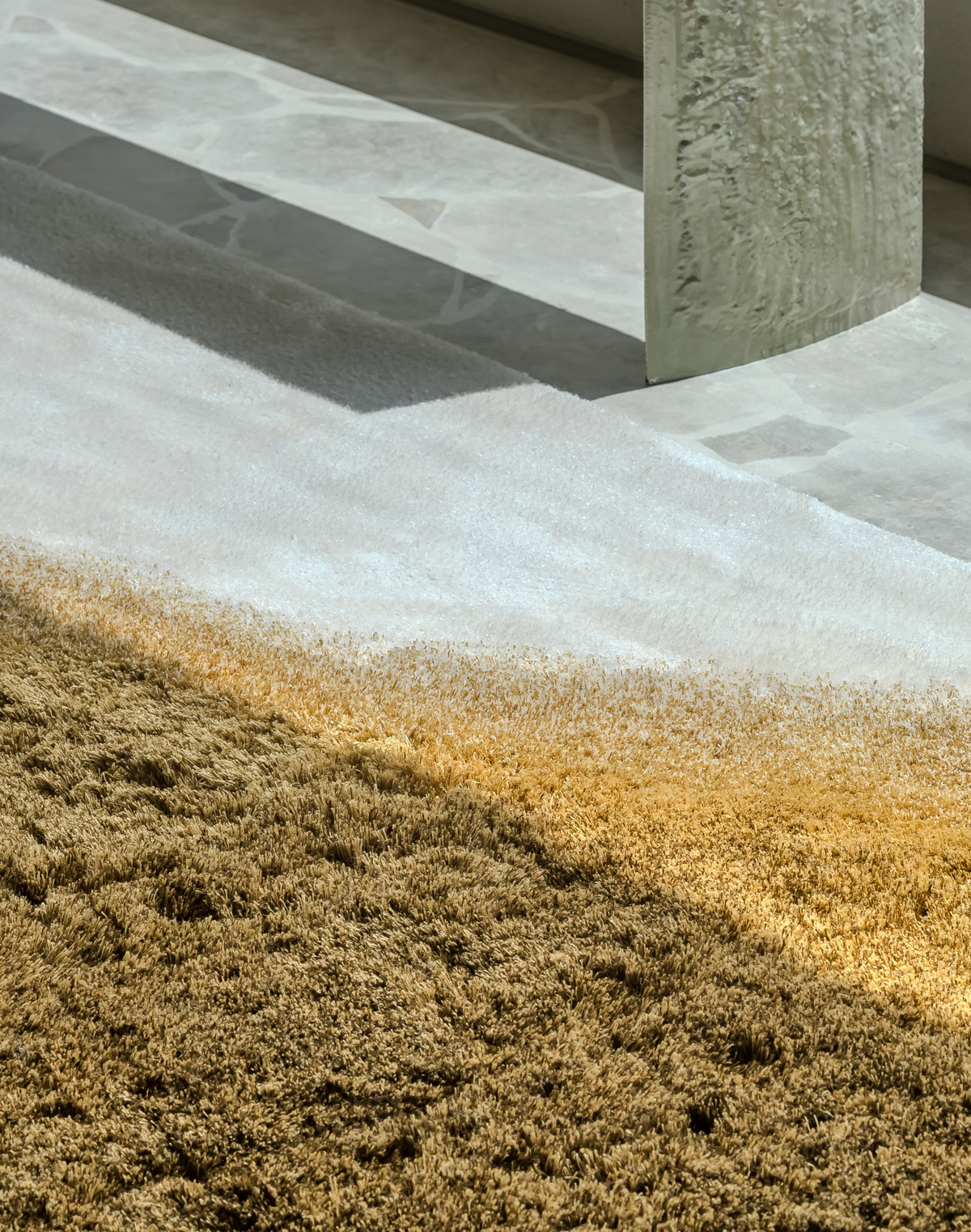
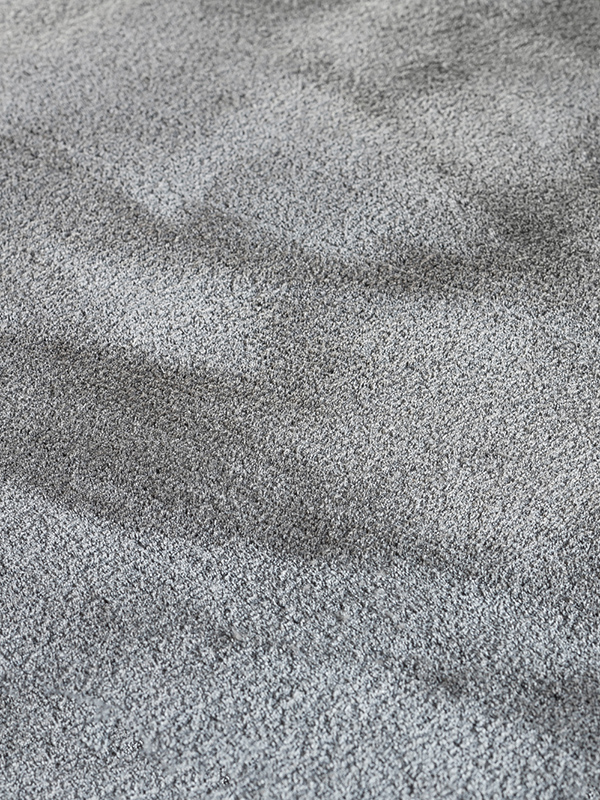
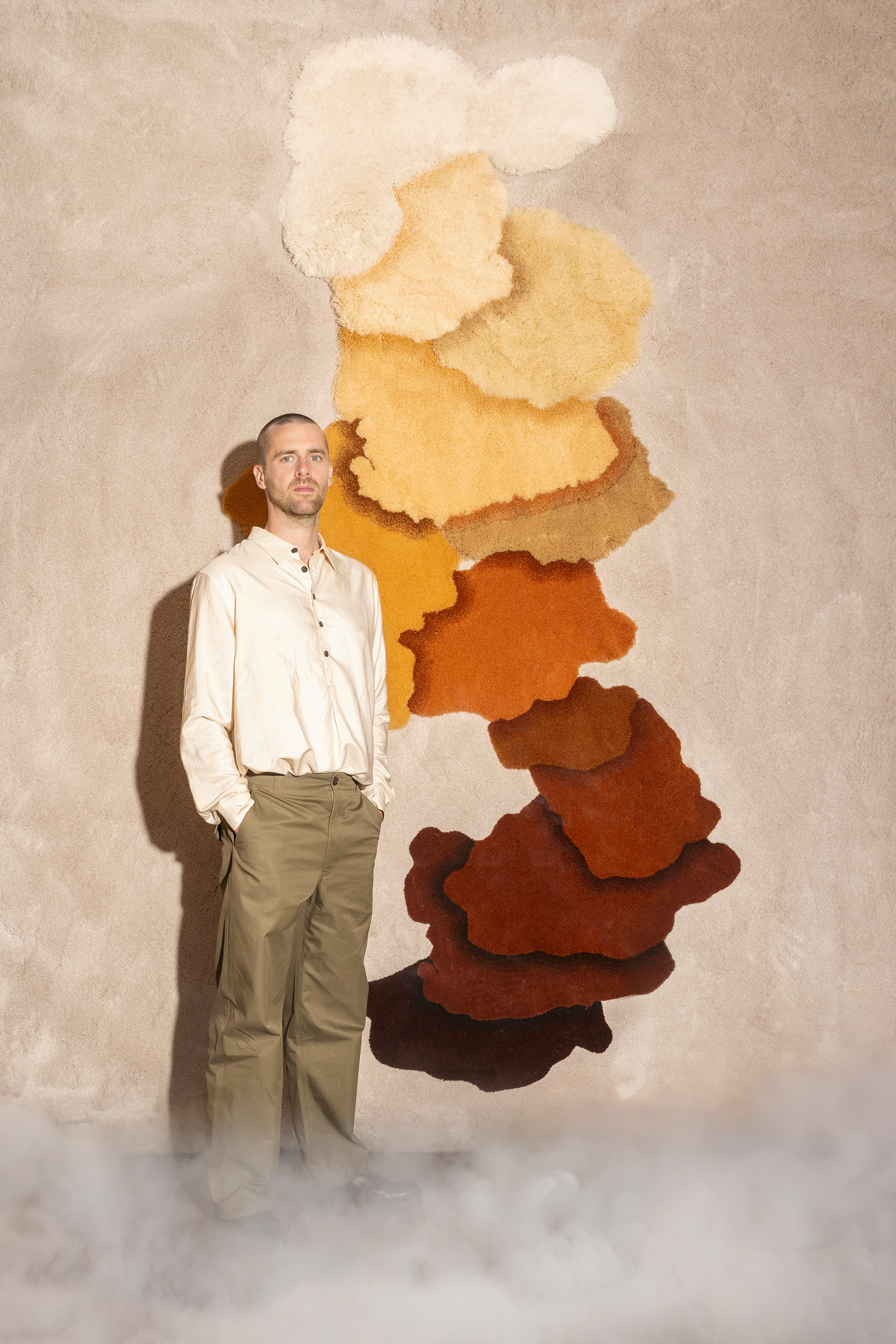
The starting point was a fascination with light in the sky, how it hits the clouds and creates soft layering, subtle graduations and staggered transitions from light to dark. Clouds are organic but also very graphic, and their softness felt fitting for a textile. The reference doesn’t need to be literal. It becomes more about fields of colour and atmosphere. The idea of physically resting on that image was particularly appealing to me.
How did the collaboration with JOV come about, and how did their approach to craftsmanship and materiality shape the development of Sussurro?
Their material knowledge and level of craftsmanship were incredibly compelling. I enjoy working with skilled craftspeople, and this collaboration was a rare opportunity to do so at a very high level. Throughout the process, there was a sense of trust which allowed the work to develop naturally.
How did your resin practice influence the rug design?
An interest in subsurface scattering, layering, and soft graduations runs through both resin and
wool. That overlap (how light moves through or across a material) is a broader fascination of mine, and it carried quite naturally into the rug.
Was there a particular moment during the development of Sussurro when the design truly clicked for you?
There’s rarely a single moment where everything suddenly falls into place. I can keep playing with
compositions and adjusting elements almost endlessly. At a certain point, though, a few options begin to stand out. They feel more balanced, more settled. For reasons that aren’t always easy to articulate, those are the ones that feel right, and that’s usually where the work stops.
Where does Sussurro sit between art and design?
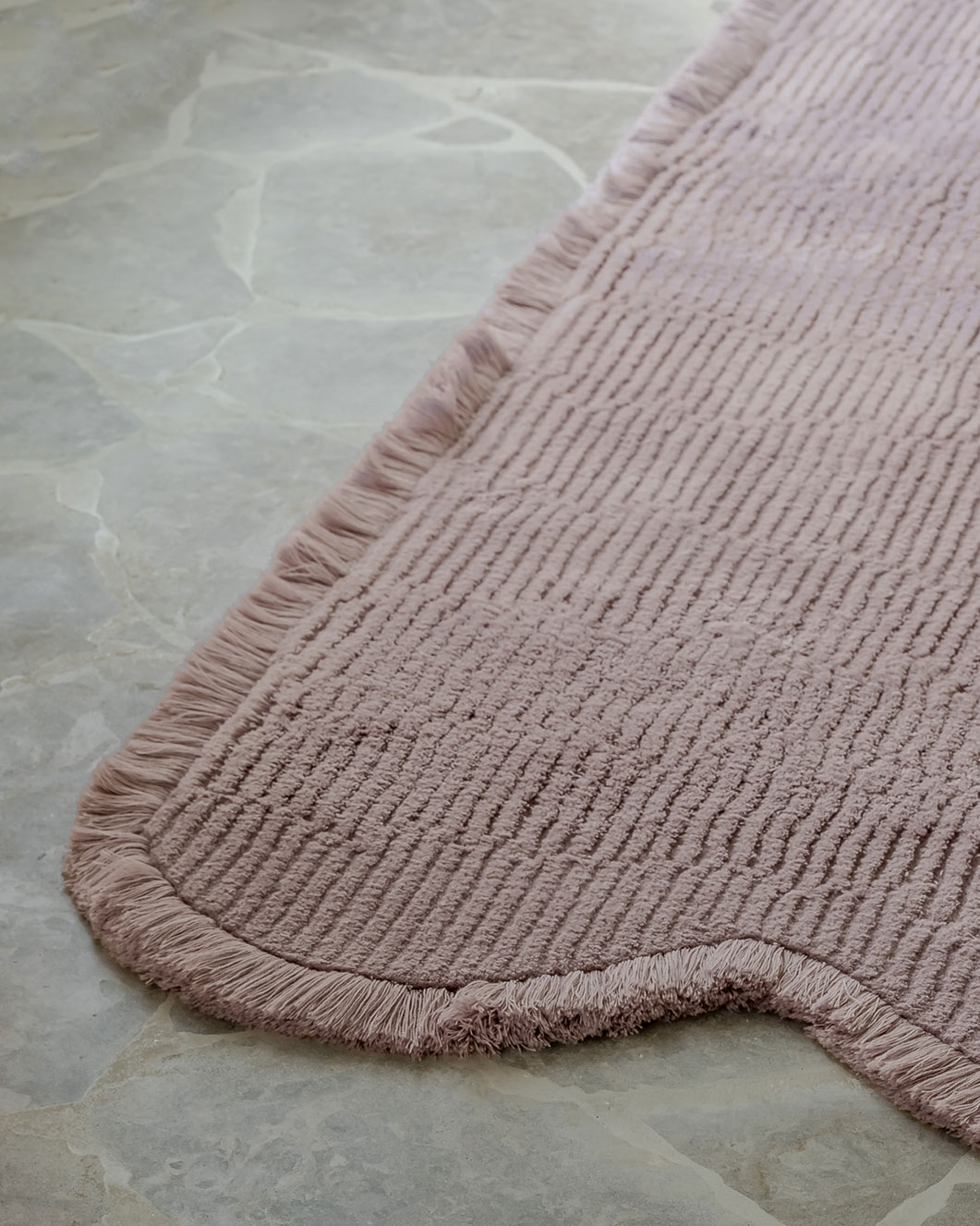
I don’t consciously place it within that distinction. It’s a rug, so it exists within design, but the boundary itself isn’t something I focus on. You can hang it on a wall like a painting, or place it on the floor and use it. Both feel equally valid.
How do you develop and refine your colour palettes?
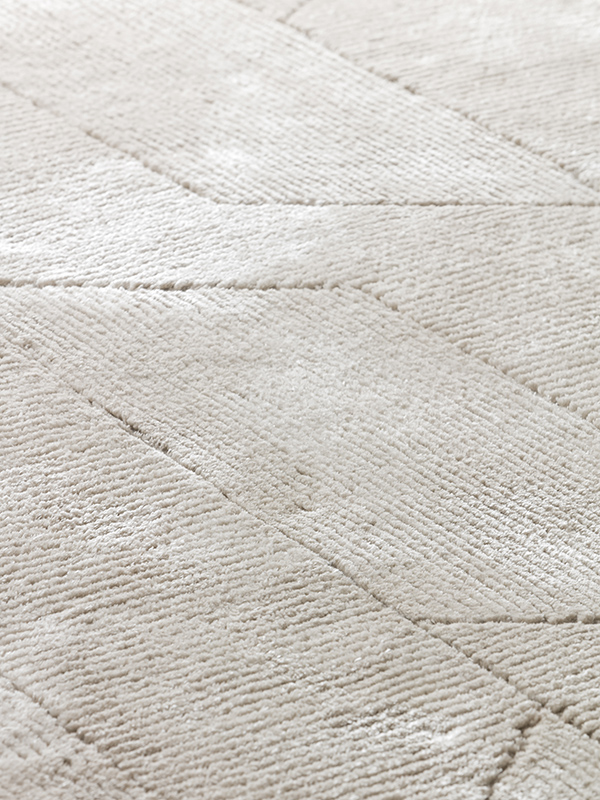
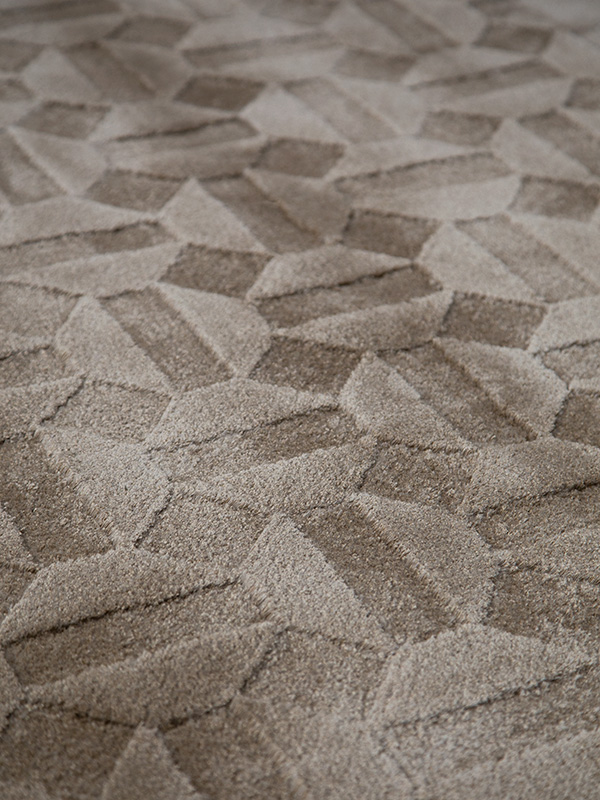
Colour needs complexity. Each tone is built from multiple pigments, and within a gradient, subtle shifts in base colour are crucial. Those barely noticeable variations are what make the work feel alive.
How do you imagine Sussurro living in an interior?
I hope it creates a strong but soft presence, something warm and inviting. More than anything, I hope it’s used. Ideally, people sit on it, gather around it and spend time there. A relaxed, social place – like a small resting spot in the clouds.